Book fairs are not just marketplaces, but true centers of attraction for bibliophiles, writers, and publishers. They offer a unique opportunity to immerse yourself in the world of literature, find long-sought rarities, and interact with the creators of texts. The portal bur4ik.ru has prepared a comprehensive guide that will help every visitor effectively plan their visit and have an unforgettable experience at the event.
Why Visit a Book Fair at All: 5 Reasons to Inspire You
Many mistakenly believe that book fairs can be replaced by online purchases. However, attending in person opens up a whole spectrum of opportunities unavailable online. It’s an event that nourishes not only your bookshelf but also your reader’s soul.
Key Benefits of Visiting Book Fairs:
- Access to Rare and Exclusive Editions. Many publishers bring limited editions, signed books, or special collector’s items to fairs that don’t make it to retail chains.
- Personal Interaction with Authors. Autograph sessions and creative meetings allow you to ask your favorite writer a question, receive personal encouragement, and make your book truly personal.
- Significant Discounts and Promotions. Publishers often offer special prices that are only valid during the fair days, making purchases much more profitable.
- Atmosphere and Networking. A fair is a place where you can meet like-minded people, discuss new releases, and feel the pulse of modern book publishing.
- Discovering New Genres and Names. Being among the booths, it’s easy to stumble upon a little-known publisher or author who will become your new favorite. It’s an ideal zone for literary experiments.
Visiting a fair is an investment in cultural enrichment and replenishing your personal library with artifacts of special value.
How to Choose a Book Fair: A Guide to the Largest and Most Interesting Events in Russia and Abroad
Choosing the right fair is critically important, as each event has its own specifics and target audience. A children’s literature event won’t offer the same experience as a major international non-fiction forum.
Criteria for Choosing an Event:
- Thematic Focus. Clarify what literature the fair focuses on (children’s, academic, science fiction, independent publishers).
- Scale and Geography. Large fairs offer more booths, but small local events can be more intimate and cozy.
- Convenience of Location. Assess the logistics: transport accessibility and availability of suitable accommodation options if you’re traveling from afar.
- Event Program. Check the schedule of meetings, lectures, and presentations that interest you.
Overview of Key Book Events:
In Russia:
- Moscow International Book Fair (MMKVA / VDNKh). The largest event in the country, covering all genres. A must-visit for a wide range of readers.
- Red Square (Book Festival “Red Square”). A summer event focusing on Russian literature, history, and culture. Often has a more open and informal format.
- Siberian Fair (Novosibirsk). An important regional event that allows you to get acquainted with Siberian publishers and authors.
International Forums (require clarification of current status):
- Frankfurt Book Fair (Germany). A world leader, more focused on the book industry (rights, translations), but with an extensive public program.
- London Book Fair (UK). Similar to Frankfurt, it focuses on the business aspect but offers interesting public zones.
- Bologna Children’s Book Fair (Italy). If you are interested in children’s and young adult literature, this is the absolute world standard.
Always check the official event websites for exact dates, ticket prices, and security requirements (e.g., access control).

Preparing for the Visit: What to Bring to Not Miss Anything Important
The success of your visit to a book fair depends 70% on prior preparation. You don’t want to spend half a day in line or find you can’t carry your purchased books.
Essential Visitor Checklist:
- Comfortable Shoes. You will be standing and walking a lot. Foot comfort is your #1 priority.
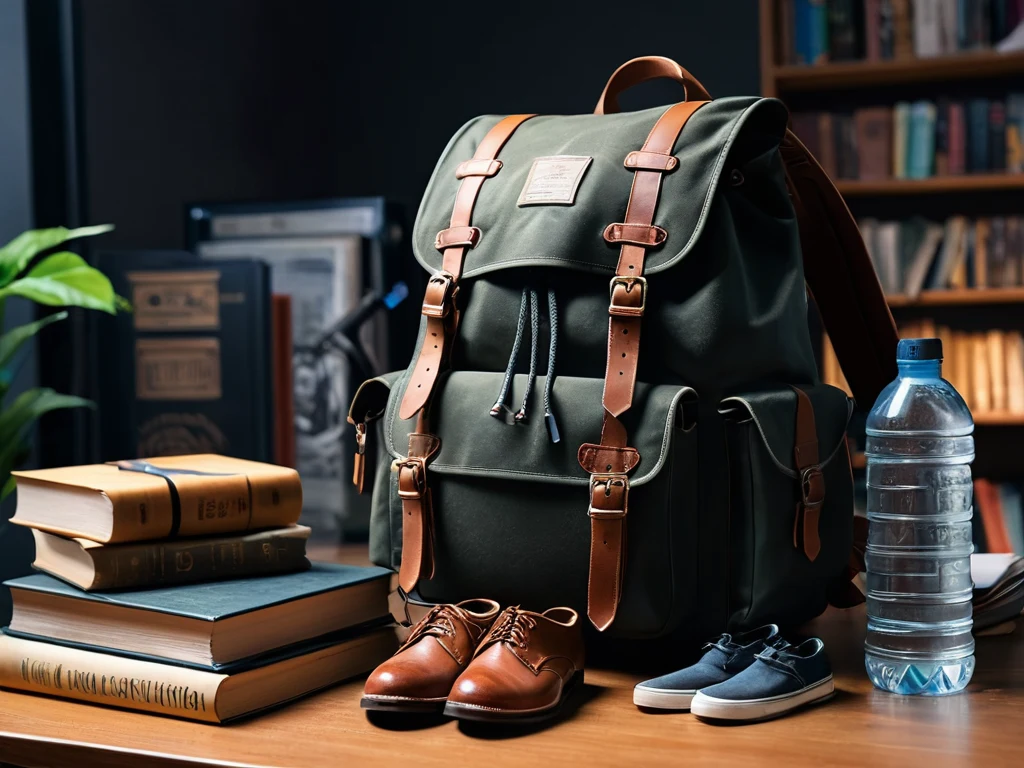
- Spacious Bag or Backpack. Choose a model with sturdy straps and, preferably, several compartments for sorting purchases and personal items. Avoid disposable bags that tear under the weight of books.
- Water Bottle and Light Snack. At large venues, cafes are expensive, and food lines can take up precious time.
- Power Bank. The fair map, photos, notes, navigation – all of this quickly drains your phone.
- Notebook and Quality Pen. Indispensable for jotting down titles, publisher contacts, and, of course, for autographs.
- Cash. Although most booths are equipped with card readers, small independent publishers or booksellers may only accept cash.
- Hand Sanitizer and Mask. In a crowd, this is a precautionary measure, especially during seasonal illnesses.
Route Planning:
Before the visit, study the interactive map of the fair (if available).
- Mark the booths of publishers whose new releases you want to see.
- Highlight specific halls or sectors where lectures and presentations of interest to you are taking place.
- Identify “high-traffic zones” (e.g., the booth of the most popular author) and visit them either immediately after opening or closer to closing.
How to Save Money at a Book Fair: Secrets of Profitable Purchases and Free Entertainment
Book fairs are designed for shopping, but they also provide many opportunities for smart savings.
Secrets of Profitable Shopping:
- “Today’s Discount”. Many publishers announce special discounts valid only for one day of the fair. Follow their social media on the spot.
- Look for “Unsold Stock” and Past Editions. Look for booths displaying books from last year or “less popular” print runs – here, discounts can reach 50% or more.
- Direct Negotiation with the Publisher. If you’re buying a set or a large quantity, don’t hesitate to politely ask for an additional discount.
- Loyalty Programs. If you’ve registered on the publisher’s website in advance, check if your bonus cards or promo codes are valid at the fair booths.
Using Free Resources:
Remember that a fair is not just a store. The most valuable part of the experience is often free.
- Attending the Lecture Hall. Almost all major fairs include an extensive program of public lectures, panel discussions, and presentations that do not require separate payment (unlike museum tickets).
- Masterclasses. Some booths offer short free masterclasses on illustration, writing, or typography.
- Book Crossing Zones. If such zones are organized, it’s a great way to replenish your stock by giving away what you don’t need and taking what you want.
How to Get the Most Out of Meeting Your Favorite Author: Tips for Autograph Sessions and Interaction
Meeting an author is a peak moment for many visitors. To ensure this experience isn’t spoiled by awkwardness or haste, careful preparation is required.
Preparing for an Autograph Session:
- Clarify the Rules in Advance. Find out if photography is allowed, how many books can be signed per visit, and if you need to buy a book on-site to get an autograph.
- Prepare the Book. If you’re bringing your own book, make sure it’s in good condition. If you’re buying a new one, keep it open to the desired page.
- Formulate a Short Question. The author will sign hundreds of books. Your question should be brief, personal, and not require a long answer (e.g., about the influence of a specific work, not about plans for the next five years).
- Think of a Compliment. A few sincere words about how the author’s work has impacted your life will be remembered much better than a generic “I’m your fan.”
Etiquette During Interaction:
- Respect the Queue. Do not try to cut in line or talk to the author until they are free.
- Be Brief. As soon as you approach the table, clearly state what you want (e.g., “Ivan Ivanovich, please sign here, and I want to say thank you for…”).
- Photography. Ask permission for photos if it’s not stated as automatic. Do not linger for long poses. The goal is a quick and pleasant exchange.
After the Meeting:
Immediately after the autograph session, note the date, place, and, if possible, attach a sticker to the book with a brief memory of the conversation. This will turn the book into a memorable artifact.

After the Fair: How to Organize New Books and Not Forget the Impressions
When the last purchases are packed and you’re heading home, the work on the book fair doesn’t end. The stage of integrating new editions into your life and systematizing the impressions received begins.
Organizing Your Book Space:
- Priority Placement. Books signed by authors, or the most anticipated new releases, deserve a special place on the shelf or at the beginning of the reading queue.
- Cataloging. Update your library database (online or physical list), noting new acquisitions. If you use Goodreads or similar services, add your purchases to your “To Read” list.
- Budget Tracking. Compare your planned and actual budget. This will help you adjust your spending strategy for the next visit.
Preserving Memories:
Impressions from the fair quickly fade. To prolong them:
- Create a Photo Report. Gather the best photos of booths, lectures, and autographs into one album.
- Subscribe to Insiders. If you met a small independent publisher, be sure to subscribe to their newsletter so you don’t miss announcements of their future products.
- Start Reading. The best way to preserve the spirit of the fair is to immediately start reading one of your new books.
A book fair is an annual event that should become part of your reading calendar. Thorough planning ensures that you return not only with heavy bags but also with a wealth of vivid, inspiring memories.
