Getting published in leading media outlets is not just a pleasant bonus, but a fundamental element in building a successful career for a modern photographer. Presence in authoritative media enhances prestige, opens doors to larger commercial projects, and most importantly, shapes a strong personal brand. On the pages of bur4ik.ru, experts have prepared a detailed guide that will walk you through the process step-by-step, from preparing materials to successful publication, turning ambitions into real achievements.
PR for Photographers: Why It’s Important and How It Works
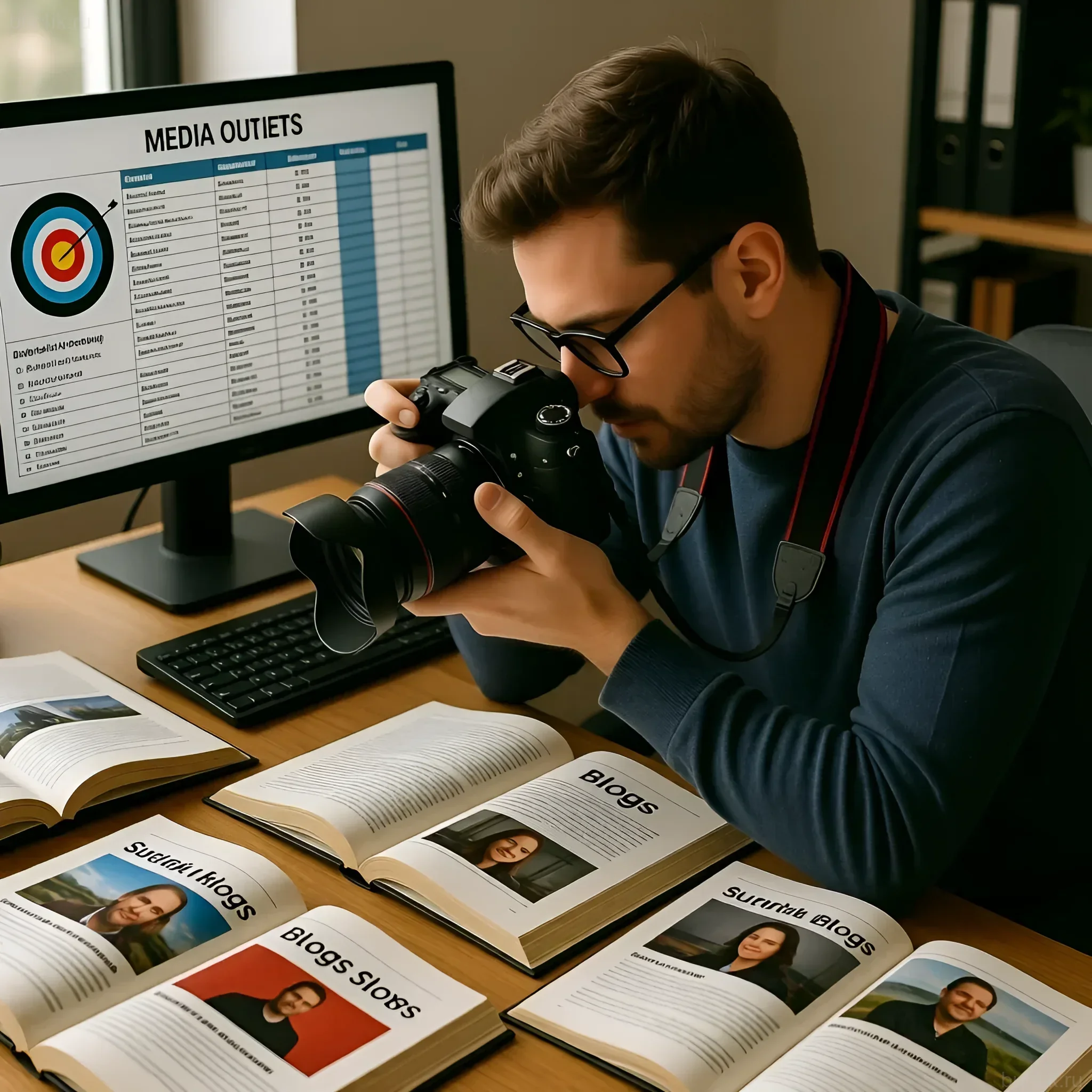
Public Relations (PR) for a photographer is a strategic process of managing the dissemination of information about their work and personality. Unlike direct advertising, PR works on the level of trust and authority. When an independent, respected source talks about a work, it is perceived by the audience as objective recognition of skill.
Experts highlight several key reasons why PR should be an integral part of every professional’s media strategy:
- Increased Price Segment: Photographers whose work is published in Vogue, National Geographic, or Forbes can reasonably set higher fees. Publication serves as proof of unique value.
- Access to New Clients: Leading media are read by key industry figures, art directors, and major brands. Publication is a direct, albeit indirect, marketing tool.
- Strengthening Authority: Regular media appearances position the photographer not just as a performer, but as an expert capable of creating meaningful visual stories.
- Long-Term Legacy: Publications remain in archives. They form a professional biography and serve as social proof for years to come.
How does it work? Media outlets are always looking for unique, fresh, and relevant content. The photographer’s task is to package their work not just as a set of shots, but as a ready-made story that aligns with the publication’s editorial policy and interests its readers.
Defining Your Target Audience and Media: Where to Aim?
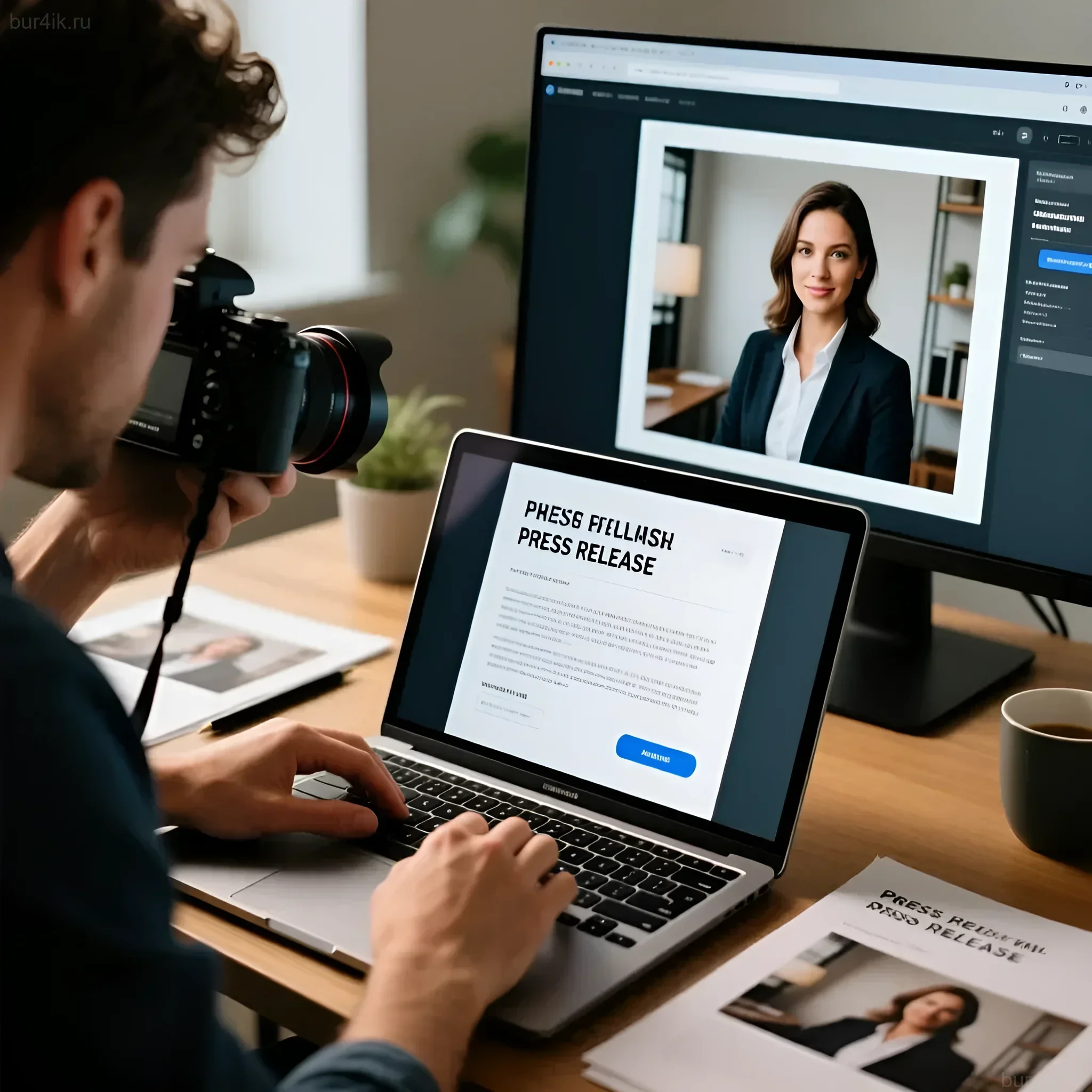
The mistake most beginners make is sending the same press release to everyone. Effective PR requires precision. You need to determine who the ideal reader of your story is and, consequently, which media outlet will deliver the message to that audience.
Analyzing Your Niche and Choosing Media Level
Photographers should categorize potential platforms by their reach and specialization:
- Niche and Specialized Publications: Ideal for starting out. These can be wedding photography magazines, architectural blogs, travel publications, or art galleries. The chance of publication is higher here as the topic is specialized.
- National and Regional Media: Major newspapers, business magazines, or popular news websites. They require a broader, socially significant, or resonant story.
- Global and Leading Industry Media: Vogue, The New York Times, Vanity Fair, National Geographic. Publication here requires an exceptional level of skill and a story with international resonance.
Important: Before sending a pitch, thoroughly study the last 10–20 publications of your chosen outlet. What tone do they use? What topics do they cover? If the publication has never featured pet portraits, don’t send them your project about your cat.
Creating the Ideal Media List
Create a table and list at least 20 potential media outlets. For each publication, determine:
- Publication name and URL.
- Specialization (e.g., fashion/sustainability/portrait).
- Name and title of a specific editor (e.g., Art Director, Culture Editor).
- Required content type (interview, photo project, expert commentary).
Creating PR Materials That Will Get Published: What Does the Media Need?
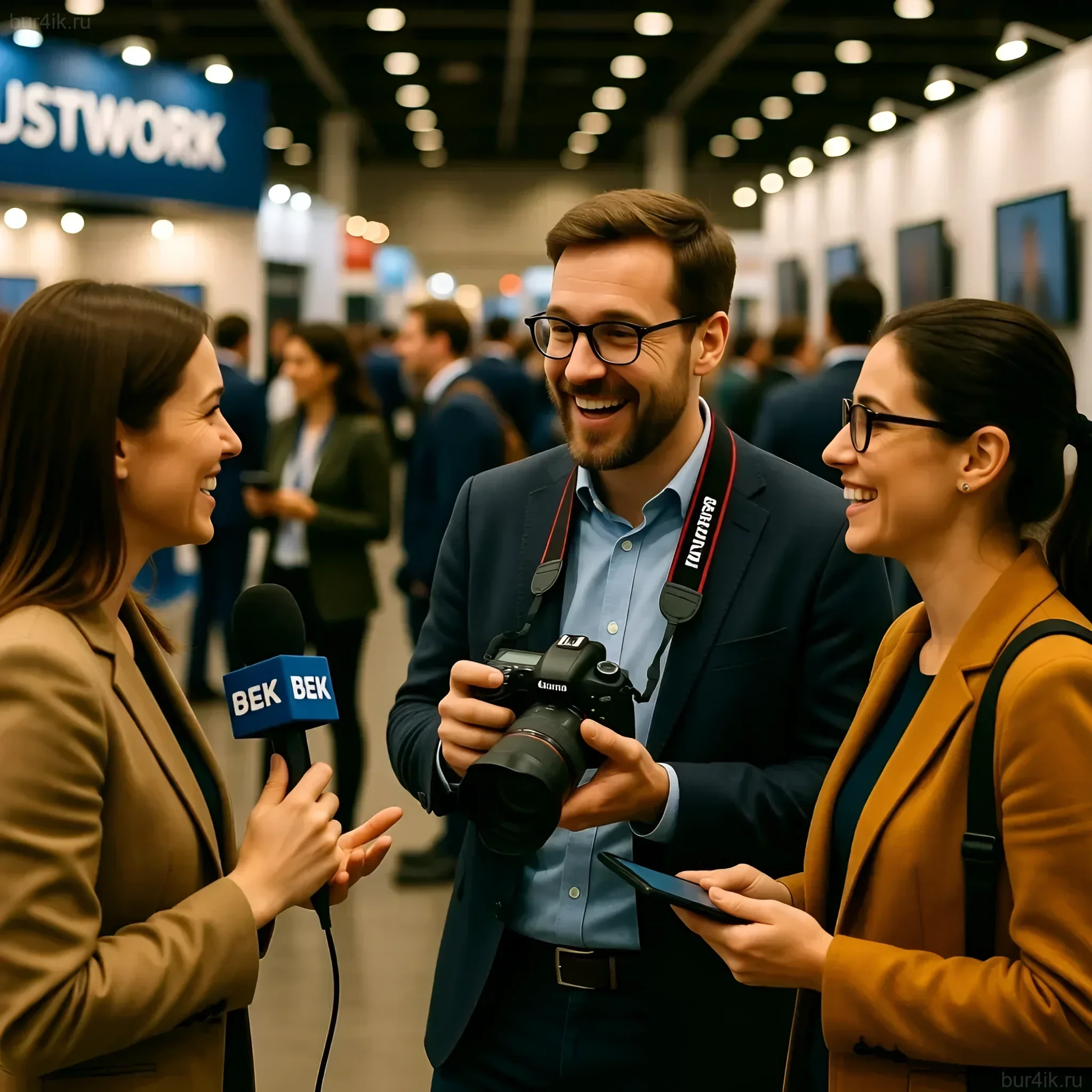
Media outlets don’t buy photographs; they buy stories. The most technically perfect shot won’t be published if there isn’t a strong, relevant, or emotionally charged narrative behind it. The primary communication tool is a press release or pitch letter.
Key Elements of an Ideal PR Kit
A PR kit (or media kit) is a package of materials that should be ready for dispatch at any moment. It must be professionally designed and easily accessible (e.g., via a cloud storage link).
- Press Release (Pitch): A concise, compelling letter explaining the project’s essence and relevance.
- High-Quality Images: At least 10–15 shots relevant to the project. They should be high-resolution (300 dpi) and print-ready. Be sure to label each file (e.g., ProjectName_LastName_01.jpg).
- Short Photographer Biography: No more than 150 words. Focus on achievements, previous publications, and unique style.
- Photographer’s Headshot: A professional, current photo.
- List of Captions: The most crucial element. Indicate the location, time, and context of the shot.
Structure of an Effective Press Release
Editors spend no more than 30 seconds reviewing incoming emails. A press release should be concise and immediately answer the question: “Why should this be published now?”
1. Headline: Should be sensational but truthful. It must sell the story. Example: “Abandoned Arctic Cities: Photographer Spends a Year Documenting a Disappearing Civilization.”
2. Lead Paragraph: The first paragraph, answering the questions: who, what, where, when, and why. This is the quintessence of the entire story.
3. Body: Development of the story, project details, methodology. Here you can mention a quote or unique challenges related to the shoot.
4. Quote: A brief, emotional quote from the photographer explaining their motivation. Quotes are often used by the media without changes.
5. Contact Information and CTA (Call to Action): Clear contact details and a call to action (e.g., “Images are available via the link, ready for publication”).
Finding Contacts and Building Relationships: Networking for Photographers
Sending emails to generic addresses like info@magazine.com is a guaranteed way to end up in the spam folder. PR is always about communicating with a specific person.
Finding the Right Person
You need to find the name and title of the editor responsible for your type of content (e.g., if you shoot fashion, you need a fashion editor, not the editor-in-chief).
- Studying the Masthead: The website or print version of a magazine always has a list of staff. This is the most reliable source.
- LinkedIn: A powerful tool. Search for employees by publication name and title. Email contacts are often listed in their profiles.
- Email Format: Many corporate emails follow a standard format (e.g., firstname.lastname@publication.com or firstinitiallastname@publication.com). If you know the name, you can guess the address.
- Industry Events: Attending conferences, exhibitions, and presentations is the best way to get a business card in person.
The Art of the “Cold” Pitch
The first email should be as respectful, concise, and personalized as possible.
What to remember when writing the first email:
- Personalization: Always address them by name. Mention a specific article published by that editor to show you are familiar with their work.
- Brevity: An ideal email is 5–7 sentences. It should fit on a phone screen without scrolling.
- Focus on Value: Immediately explain what benefit your story will bring to their readers.
- Avoid Attachments: Attached files are often blocked by spam filters. Always use links to cloud storage (Google Drive, Dropbox) or specialized galleries.
Sending the Press Release and Waiting for a Response: What to Do After Sending?
Sending a pitch is the beginning, not the end of the process. Effective PR requires patience, professionalism, and competent follow-up.
Optimal Timing and Frequency of Distribution
It is recommended to send press releases in the first half of the day (9:00–11:00) from Monday to Wednesday. At the end of the week, editors are busy with deadlines, and on Monday mornings, they sort through emails after the weekend.
Do not send simultaneously! Send pitches one by one, starting with the most desired publications. If you send a story to two competing publications at the same time and both agree, you will face an ethical dilemma that could damage your reputation.
Follow-up Strategy
Most experts recommend sending no more than two follow-up emails. If there’s no response, it doesn’t mean the editor is ignoring you; they might just be busy, or your email got lost.
- First Email: Sending the main pitch.
- First Reminder (After 5–7 business days): A brief, polite email. “Hello [Имя], I just wanted to check if you received my email about the project [Название]. If now is not a good time, I’d be happy to connect later.”
- Second Reminder (After 10–14 days): If there’s no response, you can try contacting them via LinkedIn or offer another, more relevant project.
The main rule: Always remain polite and professional. Editors remember persistent photographers.
PR on Social Media: Amplifying Publication Effects
Social media is not just a portfolio but also a powerful channel for capitalizing on PR already achieved. When a publication comes out, you need to maximize this moment to amplify its effect.
Maximizing Social Proof
Immediately after the publication is released:
- Announce the Publication: Create a separate post or series of stories with the cover or a screenshot of the article. Use quotes from the material.
- Tag the Publication: Be sure to tag the publication and, if possible, the editor who worked on the material. This increases the likelihood that the media outlet will repost your announcement, expanding your reach.
- Create Highlights: Create a permanent section on Instagram (or a similar section on your website) called “Publications” or “Press.” This serves as instant social proof for potential clients.
- Express Gratitude: Publicly thank the publication’s team. This strengthens relationships and increases the chances of future collaboration.
Using media publications as a sales tool: now, when you are negotiating with a potential client, you can not just talk about your skills but show: “My project was published in [Название авторитетного СМИ]”.
FAQ: Answers to the Most Popular Questions About PR for Photographers
Does a Photographer Need a PR Agent, or Can They Manage on Their Own?
An agent is not needed at the initial stage. If you have a strong, unique project, you can get it published yourself using the methods described above. An agent becomes necessary when your income and number of projects reach a level where you physically don’t have time for media communication. Agents also have personal, established connections, which speeds up the process.
How Long Does the Process Take from Pitch to Publication?
This depends heavily on the type of publication. For daily news sites, it’s from 2 days to 2 weeks. For glossy magazines or major monthly publications, the process can take from 2 to 6 months, as their editorial plans are made in advance.
What to Do If the Media Outlet Changes Captions or Text Without Approval?
Unfortunately, in some cases, media outlets reserve the right to edit material. If the changes concern factual errors, politely contact the editor and ask for corrections. If the changes concern style or text reduction, this is often part of editorial policy, and you will have to accept it. The main thing is that the meaning or authorship is not distorted.
Can I Sell Rights to Photos After Publication in the Media?
Yes, if you have not transferred exclusive rights to the publication permanently. Read the contract carefully. Usually, the media outlet buys the right for first publication or the right to use for a specific period. After that, you are free to use the photos for your portfolio and other commercial purposes.
Interesting Facts About PR in Photography: Inspiring Stories and Unexpected Discoveries
PR in photography is a field full of unexpected turns and inspiring examples that prove that sometimes one publication can completely change a career trajectory.
- The “Snowball Effect”: The first publication in an authoritative outlet makes subsequent pitches significantly easier. Editors of other publications see that the material has already passed a quality check and become more receptive.
- The Story of Annie Leibovitz: One of the most famous photographers of our time, Annie Leibovitz, began her career when, as a student, she sent her work to Rolling Stone magazine. Her persistence and unique style immediately attracted attention, and this became her first, incredibly successful PR move.
- Viral PR from an Unexpected Source: Sometimes publications in small but very niche blogs or regional media can unexpectedly go viral if picked up by a large news aggregator (e.g., Reddit or Twitter). This proves that the quality of the story is more important than the size of the platform at the start.
- PR as a Tool for Copyright Protection: Publication in a respected media outlet with clear authorship creates documentary evidence that you are the creator of the image, which can be useful in copyright disputes.
Mastering PR is an investment in the future. A photographer who knows not only how to shoot but also how to present their stories effectively gains an undeniable competitive advantage in today’s market.