In the world of photography, just like in fashion, cycles and trends constantly change. What was relevant yesterday (e.g., hyper-contrasted shots or excessive HDR effects) might look outdated today. The task of a professional photographer and content creator is to remain relevant without becoming a copy of others. The key to success lies in the ability to adapt fashion trends, filtering them through the prism of one’s own, already formed or developing, personal style.
1. Fashion Trends in Photography 2024: An Overview and Inspiration
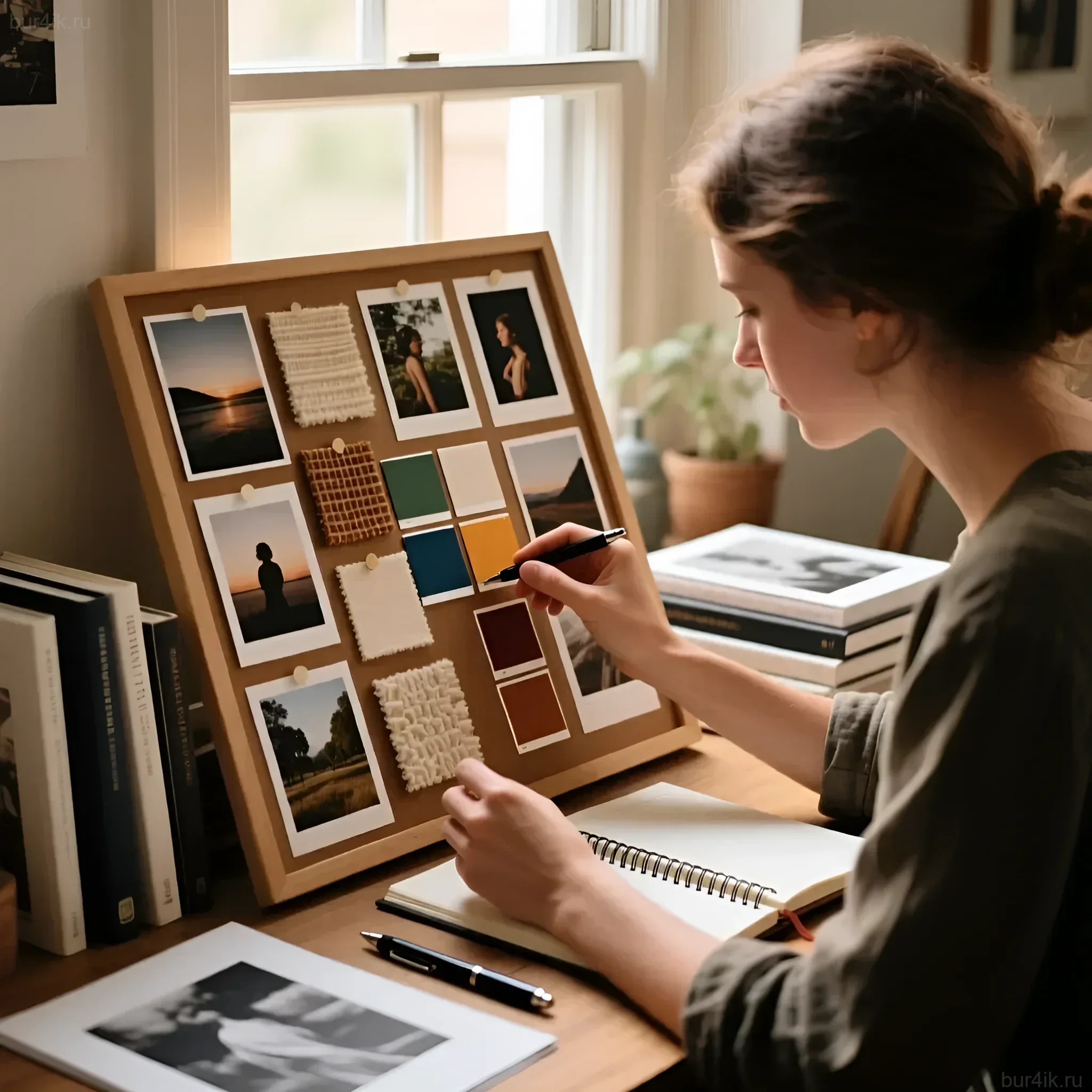
2024 has brought several dominant visual directions that significantly influence the aesthetics of social media, advertising campaigns, and even personal portfolios. These trends are not dogma, but rather inspiring material for experimentation.
Key Visual Directions of 2024:
- Authentic Realism (True-to-Life): A move away from excessive retouching and idealization. Emphasis on skin texture, natural lighting, and honest emotions. Shots look as if they were taken “on the go,” but with perfect composition.
- Muted & Vintage Film Look: A continuing trend for film aesthetics, but shifted from bright “Instagrammable” colors to more muted, “dusty” shades. Deep shadows, slight grain noise, and color shifts towards green or magenta.
- Digital Maximalism: In contrast to minimalism, this trend uses bright, sometimes neon colors, unusual collages, overlaid graphic elements, and bold fonts. Often found in works aimed at Generation Z.
- Quiet Luxury Aesthetics: Visual restraint, minimal details, focus on material quality, and soft, neutral color palettes (beige, ivory, soft gray).
It’s important to understand: blindly copying any of these trends will quickly lead to a loss of individuality. An expert always uses a trend as a spice, not as the main course.
2. Defining Your Photographic Style: The First Step to Uniqueness
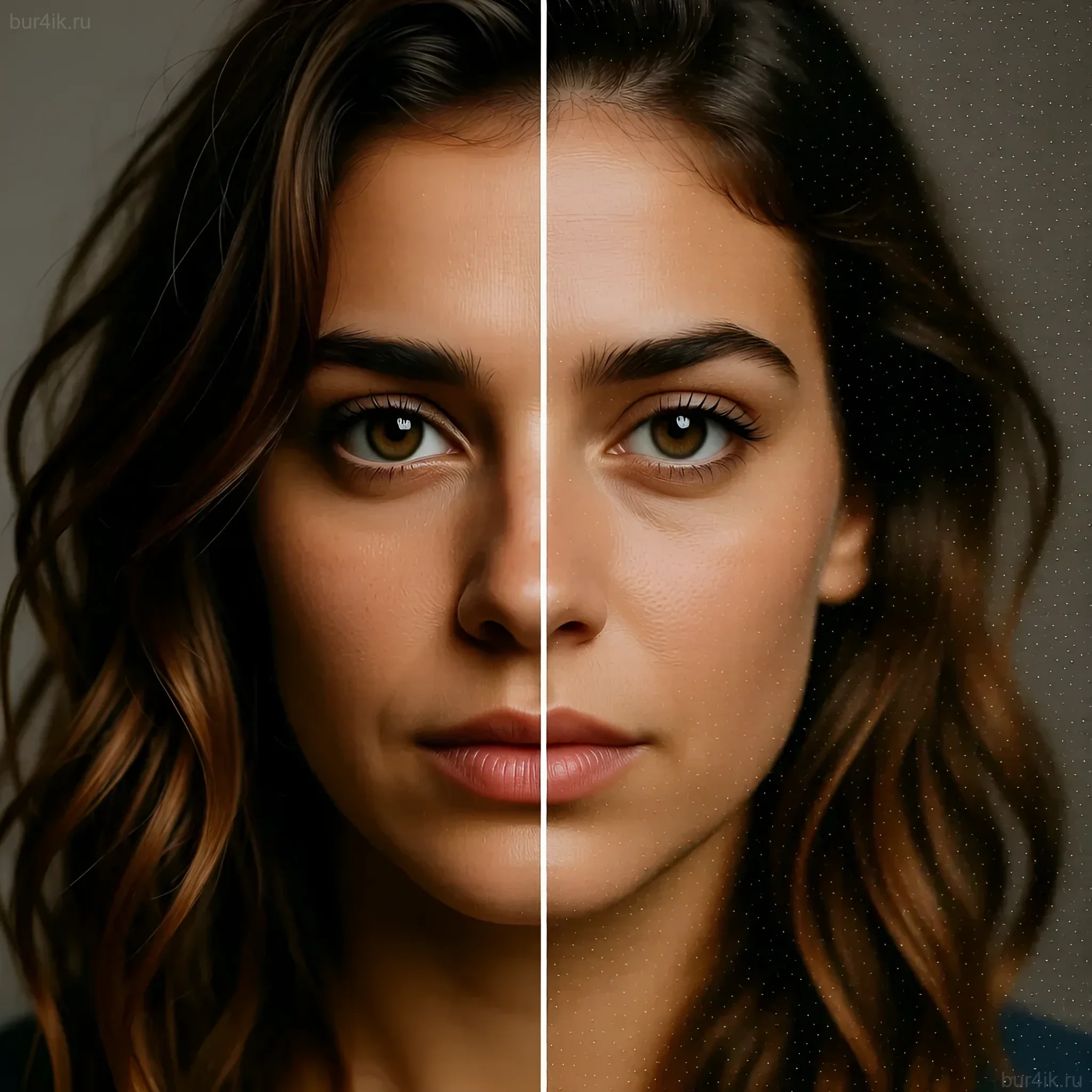
Before adapting anything, you need to clearly understand what exactly you are adapting, i.e., define your unique style. Personal style is not just a set of favorite presets; it’s a combination of creative decisions that are repeated in your portfolio.
Key Elements of Your Photographic DNA:
- Light and Shadow: Do you prefer soft diffused light (studio or cloudy day), or do you work with harsh, dramatic backlighting?
- Color Palette: Do your shots lean towards cool or warm tones? Do you use complementary or monochromatic schemes?
- Genre and Subject: Do you specialize in close-up portraits, architectural symmetry, or dynamic reportage?
- Mood: What feeling do your works evoke? Nostalgia, joy, thoughtfulness, or aggressive dynamism?
Practical Exercise: The Three Portfolio Test
Choose 10 shots that you consider your best. Show them to three different people not involved in photography. Ask them to describe what words come to mind when they look at your work, and what emotion they feel. Recurring words and emotions are the foundation of your style.
3. Adapting Trends to Yourself: Practical Techniques and Methods
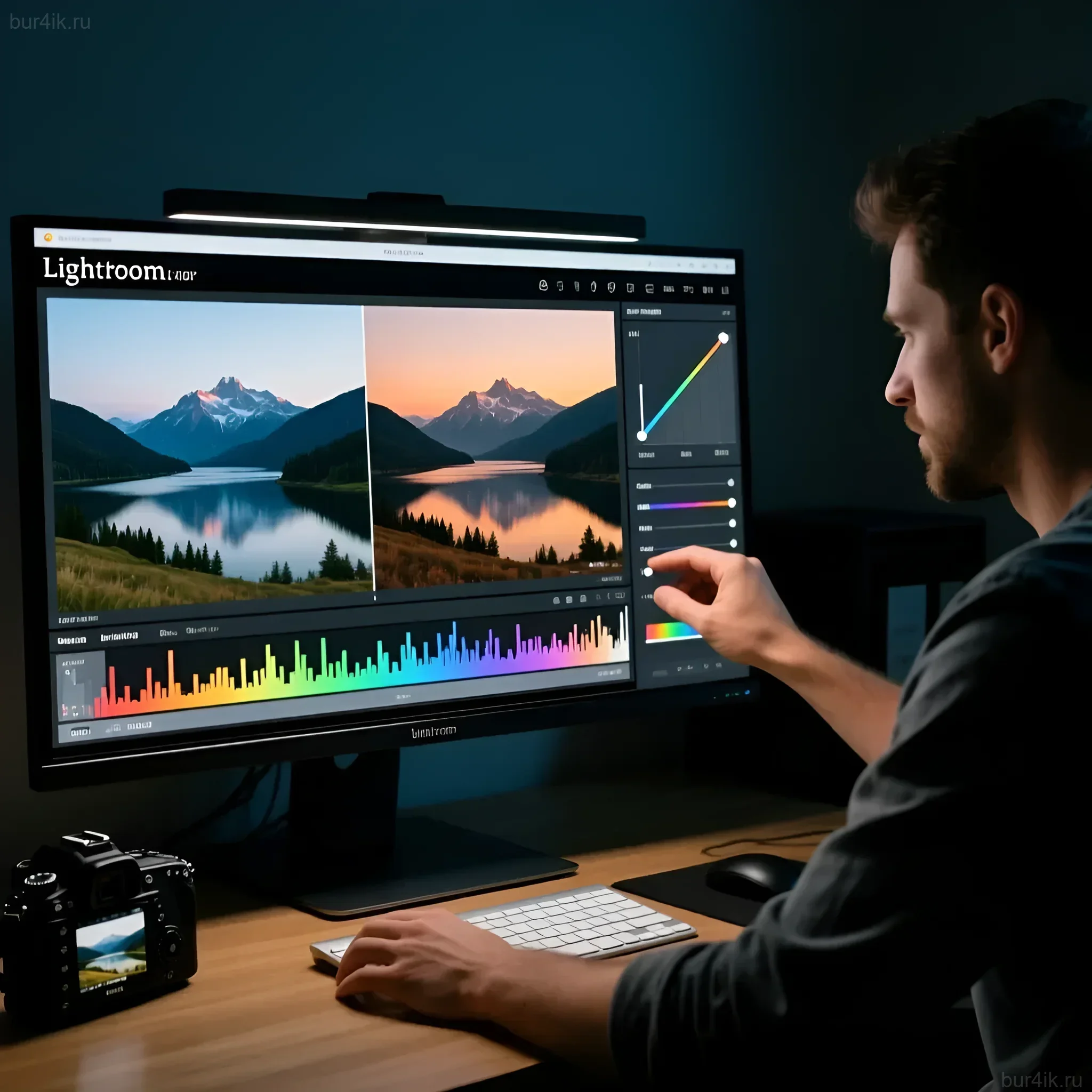
Adaptation is a conscious decision to take only a small, functional element of a trend and integrate it into your system. This requires discipline and an understanding of what you want to achieve in the end.
Conscious Adaptation Techniques:
1. The Subtraction Method:
If a trend is too aggressive (e.g., digital maximalism), take only one of its elements and remove everything else. If a trend uses bright colors and layers, you can take only the idea of bold, unusual framing, but keep your usual, muted color correction.
2. The Accent Method:
Use a trend in a minimal way, as a small accent that refreshes the look. For example, if your style is classic black and white portraits, you can add the fashionable Muted Film Look element by using a light, barely noticeable grain or slightly shifting the black point, without touching the monochrome palette itself.
3. The Functional Borrowing Method:
Trends often dictate not only aesthetics but also technical solutions. If the trend is “Authentic Realism,” it doesn’t mean you should stop retouching. It means changing the approach to retouching: not to remove, but to soften. The focus shifts to working with volume and light, rather than smoothing texture.
- Example: You shoot wedding reports in bright, saturated tones. The fashion trend is Quiet Luxury (neutral tones). You don’t change your style, but you introduce 10-15 shots with minimalist details (rings, bouquet, interior) processed in a neutral palette. This shows your flexibility without losing your main voice.
4. Color Correction and Presets: Tools for Creating a Unique Atmosphere
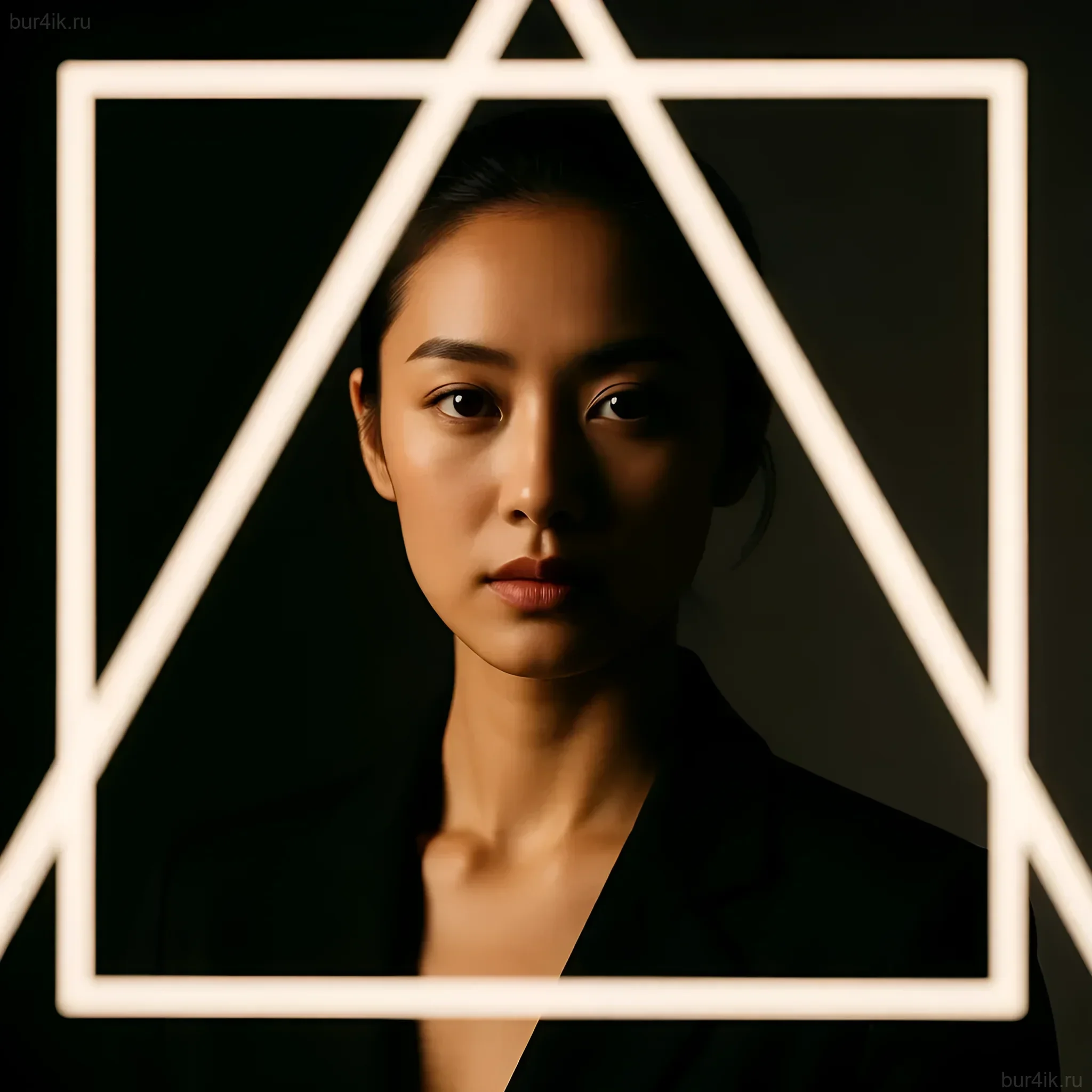
Color is the most obvious and often copied aspect of fashion trends. This is where it’s easiest to lose individuality. A unique style requires your own approach to color calibration.
How to “Privatize” Fashion Color:
1. Working with Tone Curves:
Instead of simply applying a ready-made preset that makes shadows blue (a fashionable technique), use curves only to work with shadows in the blue channel, while preserving your signature warm tone in the red channel. This creates a hybrid, unique result.
2. HSL Adjustments:
If “Dusty Rose” is fashionable, you can take this shade but adjust its saturation and lightness in the HSL panel to match your palette. For example, lower the saturation but increase the brightness so the color remains “clean” rather than “dirty” as the trend dictates.
3. The 80/20 Rule for Presets:
If you use a purchased or popular preset that aligns with a trend, never leave it as is. Apply it as a base (80%), but always make 20% of changes that are your signature: unique grain setting, white balance shift, or specific work with the saturation of greens and blues.
5. Composition and Angle: Secrets of Expressiveness and Individuality
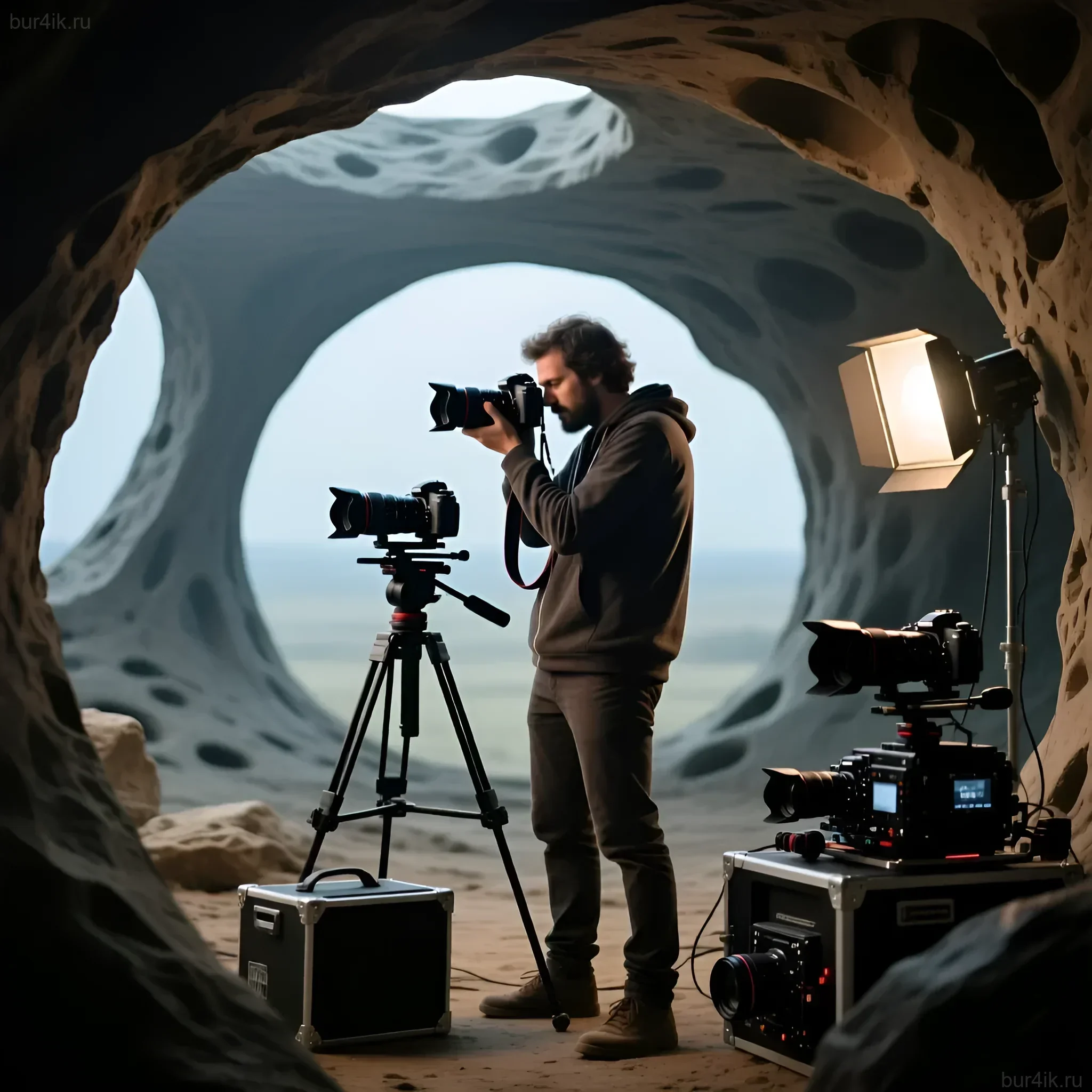
Unlike color correction, which is easy to copy, compositional decisions and the choice of angle are much harder to replicate, as they depend on your personal vision of space and geometry. This is a reliable anchor of your style.
Integrating Trends into Composition:
- Trendy Framing: If ultra-wide angles and perspective distortion are fashionable, you can use this angle, but still adhere to your main rule: for example, always leave plenty of “air” above the subject (negative space).
- Using Depth: Trends might dictate the use of extremely shallow depth of field (bokeh). If your style is sharpness throughout the frame, don’t abandon it. Instead of f/1.4, use f/2.8 to get a slight hint of blur while maintaining scene readability.
- Dynamics vs. Statics: If fashion demands dynamic, blurred shots (movement), but you prefer static, meditative composition, you can incorporate the trend by shooting a static object but using a long exposure for background movement (e.g., water or clouds).
Tip: Mixing Rules. If you always follow the rule of thirds, try combining it with the currently fashionable technique of “Centered subject, shifted horizon.” This creates tension that looks modern but maintains your compositional discipline.
6. Finding Your Voice: How to Stand Out Among Other Photographers

To stand out means to be consistent in your inconsistency. Your “voice” emerges when people can recognize your work, even if it’s done in different genres or using different trends.
Strategies for Strengthening Personal Style:
1. Creating a “Personal Manifesto”:
Describe in 5-7 sentences what photography means to you. What themes will you never shoot? What light do you consider ideal? What feeling should your shot evoke? This manifesto is your internal filter for all external trends.
2. The Courage to Reject a Trend:
If a trend contradicts your manifesto, it should be ignored. For example, if your style is based on clean, bright colors, don’t try to imitate a vintage “dirty” look, even if it’s popular. Losing a client who is looking for a “fashionable look” is less painful than losing your own identity.
3. Using Unique Equipment:
Sometimes personal style is created by technical limitations or peculiarities. Using old manual lenses that give a specific rendering, or working with unique light sources (e.g., only fresnels), guarantees that your image will differ from shots taken with standard modern lenses.
7. FAQ: Answers to Popular Questions About Adapting Trends
Q: How often should I change or update my style?
A: Style is not changed, it is developed. A drastic change in style every six months confuses the audience and clients. It is recommended to make small, barely noticeable adjustments (10-15%) per year to keep the style fresh but recognizable. The main thing is to maintain consistency in key parameters (light, composition).
Q: What should I do if a client requests a trend that I don’t like?
A: A professional photographer must be flexible. If the trend does not contradict your ethical principles or technical capabilities, try to implement it, but with “your signature.” For example, if a client wants aggressive HDR (an outdated trend), do 80% of the work in your style, and then add only a slight increase in micro-contrast to imitate the desired effect without crossing the boundaries of good taste.
Q: Can trends help me find my style?
A: Yes, trends are an excellent starting point for experimentation. Try working with five different trends. The elements that you liked and could easily integrate are likely close to your true photographic voice. Those that caused rejection are the boundaries of your style.
8. Interesting Facts About the Influence of Fashion on Photography
The connection between fashion trends and photographic visual aesthetics is much deeper than it seems at first glance. Often, photography merely catches up to trends set in other areas.
- Cinematic Influence: Many “photographic” trends (e.g., Teal & Orange color grading or grain aesthetics) come from cinema. If you want to predict what will be popular in photography in a year, follow which films receive “Oscars” for cinematography.
- Economic Cycle: Historically, it has been observed that during times of economic instability, restrained, muted, “safe” colors and minimalist design dominate fashion and photography (as in the case of Quiet Luxury). During periods of growth, bright, saturated colors and maximalism are popular.
- The Role of Pantone: The annual Color of the Year from Pantone, while not a direct guideline, has a significant influence on the fashion and interior design industries, and consequently, on color accents in staged photography.
Conclusion: To be an expert means not to follow, but to lead. Adapting fashion trends allows a photographer to remain relevant while strengthening, not blurring, their unique visual identity. Use trends as fuel for your own creativity, not as a map for blind adherence.