At first glance, a photographer’s job might seem like an activity that doesn’t require outstanding physical abilities. However, behind the glossy results lies hours of carrying heavy equipment, long periods of waiting in uncomfortable poses, and sometimes the need to move quickly in challenging conditions. Experts at bur4ik.ru are confident: physical fitness is not just about appearance, but a critically important factor directly influencing the quality of shots, productivity, and the long-term health of the professional.
Why Physical Fitness is More Than Just About Looks for a Photographer: 5 Key Advantages
Unlike many office professions, photography places significant demands on the body. Insufficient physical preparation inevitably leads to decreased concentration, rapid fatigue, and, consequently, missed moments and a reduction in creative potential. Let’s look at the specific advantages good physical fitness offers a photographer:
- Increased Endurance: The ability to work 10-14 hours without a drop in quality.
- Improved Stability: Strong core and back muscles ensure sharp shots even when shooting handheld.
- Flexibility and Range of Motion: The ability to adopt low or hard-to-reach angles without discomfort.
- Enhanced Concentration: Physical activity directly improves cognitive functions, helping you not to miss “that one” shot.
- Stress Resilience: Physical exertion is a natural regulator of stress hormones, which is important when working with demanding clients or in the chaos of reportage.
Investing in your body is a direct investment in equipment that doesn’t break (your own body) and in the quality of the final product.
Endurance on a Shoot: How Not to Get Tired for Hours Waiting for the Perfect Shot
The most common problem for beginner photographers is “running out of steam” by midday. A wedding, reportage, or a long expedition requires an athletic approach to planning.
Scenarios Requiring High Endurance:
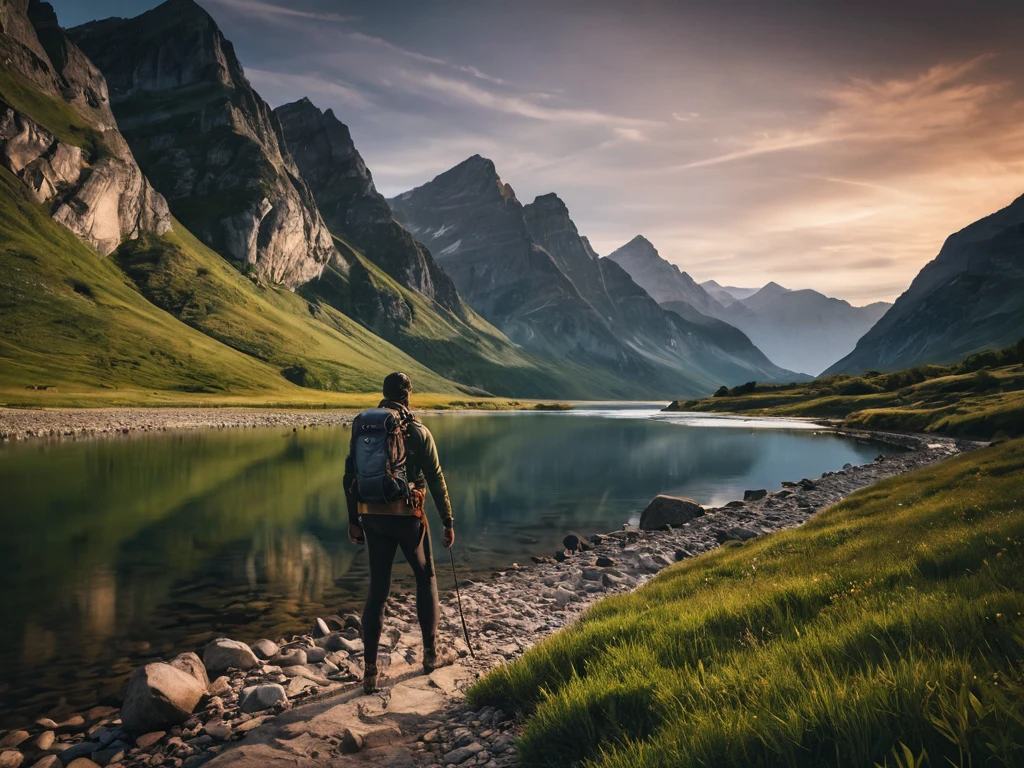
- Landscape and Mountain Photography: Hours of climbing before dawn or after sunset with a backpack full of optics and a tripod. Fatigue reduces attention to composition and safety.
- Wedding Photography: Shooting starts with preparations, continues with the ceremony, banquet, and ends with night portraits. It’s a marathon, not a sprint.
- Sports and Reportage Photography: The need to move quickly around a field, stand for hours during events, or follow a fast-moving subject.
How to Develop Aerobic Endurance:
The goal is to increase the body’s ability to deliver oxygen to working muscles.
- Cardio Workouts: Regular jogging, swimming, or cycling (at least 3 times a week for 30-45 minutes).
- High-Intensity Interval Training (HIIT): Alternating short periods of maximum exertion with rest. This mimics the “bursts” of activity during a shoot.
- Long Hikes with Load: Practice by walking with a fully loaded backpack, simulating real work conditions.
Nutrition for Sustained Energy:
Endurance depends on fuel. Avoid sharp sugar spikes.
- Prefer slow carbohydrates (whole grains, vegetables) for stable energy release.
- Include sufficient protein for muscle recovery.
- Don’t forget hydration – even mild dehydration critically reduces performance.
Strength and Flexibility: How to Properly Hold a Camera and Avoid Back and Neck Injuries
Professional full-frame cameras and telephoto lenses weigh a lot. Holding equipment at eye level or low to the ground for extended periods quickly leads to muscle imbalance and chronic pain.
The Impact of Core and Back Strength
Strong core muscles (abdominal and lower back muscles) serve as a stabilizing center. If the core is weak, the neck and shoulder muscles compensate, causing them to become overstrained and stiff.
- Stability: The stronger the core, the less camera shake when shooting handheld, especially with long exposures or at high zoom.
- Posture: A healthy back allows you to maintain correct posture for longer, preventing slouching.
Common Photographer Injuries
Bur4ik.ru often encounters feedback about occupational diseases:
- Lower back pain from carrying heavy backpacks.
- Wrist carpal tunnel syndrome from constant button pressing and operating zoom rings.
- Cervical osteochondrosis from constantly “peeking” into the viewfinder.
Exercises to Strengthen Key Muscle Groups:
These exercises are best done as part of a strength warm-up or cool-down.
- Plank (all variations): Strengthens the core and stabilizers.
- Push-ups and standing dumbbell presses: Strengthen the shoulder girdle and chest.
- Superman (prone back extension): Strengthens the back extensor muscles.
- Squats (bodyweight or with light weight): Improve leg strength, which is the foundation for stability during shooting.
Stretching and Mobility
Flexibility allows you to adopt unconventional poses needed for unique shots and reduces muscle tension.
- Chest Stretches: Opens the shoulders, helping them not to “close” forward when carrying a camera.
- Hip Flexor Stretches: Important for prolonged standing or squatting.
- Neck Mobility Exercises: Smooth circular motions and tilts to relieve tension.
Concentration and Reaction: How to Train Your Brain for Instant Shots
Photography is the art of being ready for a moment that lasts a fraction of a second. Good physical fitness improves blood supply to the brain, which directly affects cognitive abilities.
Physical Activity and Cognitive Functions
Regular exercise promotes the production of brain-derived neurotrophic factor (BDNF), which supports the growth of new neurons and improves synaptic plasticity.
- Improved Attention: Physically active individuals are better at handling distractions and can maintain focus on a subject for longer.
- Information Processing Speed: The brain analyzes light, movement, and composition faster.
- Improved “Working Window”: The ability to quickly switch between manual settings and focus.
Training Reaction and Balance
This is especially relevant for street, sports, and wedding photography.
- Balance Exercises: Standing on one leg (even with eyes closed) improves proprioception and reaction.
- Coordination Exercises: Juggling or playing with a ball develops interhemispheric interaction, which helps process visual information faster.
- Martial Arts (as a form of exercise): They teach instant reaction to changing situations, which translates perfectly to working with dynamic subjects.
The Role of Meditation
Physical exercise and mental practices complement each other. Meditation, even for 10 minutes, trains the “muscle” of concentration, allowing the photographer to stay “in the moment” without being distracted by technical or client-related interferences.

Stress Resilience: How to Stay Calm and Creative in Difficult Conditions
Dealing with clients, deadlines, technical glitches, bad weather – stress is inevitable. Chronic stress narrows creative vision and can lead to “burnout.”
How Stress Kills Creativity
Under stress, the body produces cortisol. High cortisol levels suppress the prefrontal cortex, which is responsible for higher cognitive functions, including creativity and flexible thinking. A stressed photographer tends to choose шаблонные, safe shots instead of seeking original solutions.
Sports as an Antidote to Cortisol
Physical exercise is one of the most effective ways to “burn off” excess stress hormones and trigger the release of endorphins.
- Regularity: Training should not be “punishing” but a planned part of the routine, so the body gets used to a regular stress-relief mechanism.
- Change of Scenery: Walks in nature, especially after a workout, enhance the stress-reducing effect.
On-the-Go Stress Management Practices:
What to do when stress strikes right on location?
- Diaphragmatic Breathing: Inhale deeply for a count of 4, hold for 2, exhale for 6. This instantly activates the parasympathetic nervous system.
- Micro-Breaks: Use the time when changing lenses or waiting for light for a 30-second neck stretch or a simple deep breath.
- Sleep: No amount of training can replace quality sleep. Lack of sleep is the fastest route to burnout and reduced work quality.
Creating Your Fitness Plan for a Photographer: Simple Exercises You Can Do at Home or While Traveling
The ideal plan for a photographer should be flexible, not require a gym, and focus on functionality.
Sample Weekly Plan (Adaptive Approach)
This plan includes 3 strength/cardio sessions and 2 stretching/mobility sessions.
| Day | Workout Type | Focus |
|---|---|---|
| Monday | Strength (30 min) | Squats, push-ups, plank (3 sets of 15 reps/maximum time). |
| Tuesday | Cardio (45 min) | Brisk walk uphill or jogging. |
| Wednesday | Rest / Active Recovery | Long walk with camera (light load). |
| Thursday | Mobility and Stretching (30 min) | Stretching of back, neck, chest, and hip flexors. Focus on yoga or Pilates. |
| Friday | Strength + Balance (30 min) | One-arm/one-leg plank, lunges, “Superman.” |
| Saturday | Long Activity | Shoot involving a lot of walking or cycling. |
| Sunday | Complete Rest | Equipment preparation and planning. |
No-Equipment Exercises (Travel & Home Edition)
These exercises can be done in any hotel or even in front of a mirror in the studio:
- Bodyweight Squats: Ideal for leg strength.
- Reverse Lunges: Excellent for working stabilizers and distributing load on the knees better than forward lunges.
- Mountain Climbers: Great cardio and core strengthening simultaneously.
- Standing Torso Twists (with or without a stick): Stretching and mobility for rotation during panoramic shooting.
- Wrist Exercises: Flexing and extending wrists with light resistance (a water bottle can be used) to prevent carpal tunnel syndrome.
Integrating Activity into the Workday
You don’t need to dedicate two hours to the gym if you have a shoot. Integrate movement into your routine:
- Stairs Instead of Elevator: If you’re shooting on the 5th floor, take the stairs.
- Park Further Away: Walk the extra 100 meters to the location.
- Walk During Calls: Don’t sit while discussing edits with a client – walk around the room.
Motivation: Remember that good physical condition prolongs your career, allows you to take on more challenging and higher-paying projects, and makes the creative process itself more enjoyable and less painful. Physical fitness is not a limitation, but an expansion of your creative capabilities.