Traveling with a camera through Muslim countries opens up a world of incredible architecture, vibrant colors, and deep cultural traditions for the photographer. However, these regions require a special approach. Successful photography here is not only about technical skill but also about deep respect for local laws, customs, and religious norms. Experts from bur4ik.ru have prepared a detailed guide to help you avoid awkward situations, legal violations, and capture truly valuable shots while maintaining respect for people and their faith.
Photography in Muslim Countries: A Complete Guide for Beginner Photographers
The Muslim world is diverse. Rules and the degree of conservatism can vary drastically depending on the country: from the ultra-liberal Dubai or Istanbul to the strict Riyadh. A photographer traveling to such a destination must understand that their camera is perceived not just as a tool for creativity, but as a potential intrusion into private life and cultural space. The main principle of working here is awareness and restraint.
- Research the region: Before packing your lenses, study the specific laws and local customs of the country you are heading to (e.g., Turkey, Morocco, Indonesia, and the UAE have very different norms).
- Purpose of photography: If the photography is commercial or professional (not just for a personal blog), official permission from the authorities is almost always required.
- Clothing: Dress modestly. This is not just a matter of etiquette; it’s a way to earn trust and avoid unnecessary attention or conflict.
Photography Laws and Regulations: What to Know Before You Go?
Compliance with legal norms is critically important. Ignorance of the law does not exempt from responsibility, and fines or even arrest for photographing prohibited objects are a real threat in many countries.
Prohibited Objects and Zones
In most Muslim countries, there is a strict prohibition on photographing the following objects:
- Military and government buildings: This includes barracks, police stations, embassies, border crossings, and even some bridges or dams.
- Infrastructure facilities: Airports, ports, train stations (especially on the tracks), as well as oil and gas facilities.
- Hidden photography: The use of hidden cameras or spy equipment can be equated to espionage and is severely punished.
Drone (Unmanned Aerial Vehicle) Regulations
In the vast majority of Muslim countries, especially in the Middle East, the use of drones is strictly prohibited or requires obtaining numerous permits, a process that can take months. It is recommended to leave your drone at home unless you have official documentation from the local aviation authorities.
Specifics of Photography in Holy Places (Mosques)
Photography inside mosques is generally permitted, but under the following conditions:
- Photography is prohibited during prayer (salat).
- You cannot photograph people praying up close without their explicit consent.
- You must remove your shoes before entering. Women must cover their heads and shoulders.
- Use your camera quietly and discreetly; avoid using the flash.
Photographer’s Etiquette: How to Shoot Respectfully in Muslim Countries
Etiquette is the bridge between you and the local culture. By showing respect, a photographer gains access to more authentic and profound scenes.
Rules of Conduct and Appearance
Your appearance should conform to the conservative standards of the region:
- For men: Long pants and a shirt or t-shirt covering the shoulders.
- For women: Loose, non-tight clothing covering the elbows and knees. In more conservative regions, a headscarf is necessary.
- Behavior: Avoid public displays of affection (kissing, hugging), do not raise your voice, and do not criticize local authorities or religion.
Interacting with Locals
Establishing contact often begins with non-verbal communication:
- Smile and gesture: A simple smile and nod can be more effective than words.
- Language: Learn a few key phrases in the local language (e.g., “Thank you” and “May I take a photo?”).
- Don’t rush: Spend time observing the scene before taking out your camera. This shows that you are interested in the culture, not just “hunting” for shots.
Photographing People: Shooting Portraits with Respect and Dignity
Photographing people is the most delicate part of the job. In Islam, there are currents that are skeptical of depicting living beings (especially people), considering it haram (forbidden). Always assume that you need to obtain permission.
Obtaining Permission: “Adab” in Action
Obtaining consent (called “Adab”, or etiquette) must be explicit. If a person covers their face, turns away, or gestures “no” – stop shooting immediately and apologize.
Algorithm for portrait photography:
- Make eye contact and smile.
- Raise your camera, indicating you want to take a picture, and ask (with a gesture or in the language): “Mumkin?” (May I?).
- If the person agrees, take 1-2 shots, but don’t turn it into a long photo session.
- Thank them. It is advisable to offer a small payment (often perceived as respect) or, if you are photographing a craftsman, buy something from them.
Special Taboos: Women and Children
- Women: Photographing local women, especially in conservative regions, is highly not recommended without the explicit permission of their husband or father. If you are a female photographer, it will be much easier to get consent.
- Children: Photographing children requires parental permission. If you are photographing children, always do so in the presence of adults.
- Candid shots: Photographing people in mosques, markets, or streets without their knowledge is often considered an intrusion. Use a telephoto lens to shoot from a respectful distance if necessary to preserve the atmosphere, but be prepared to be asked to delete the shot.
Technical Tips: Best Equipment and Settings for Photography in Muslim Countries
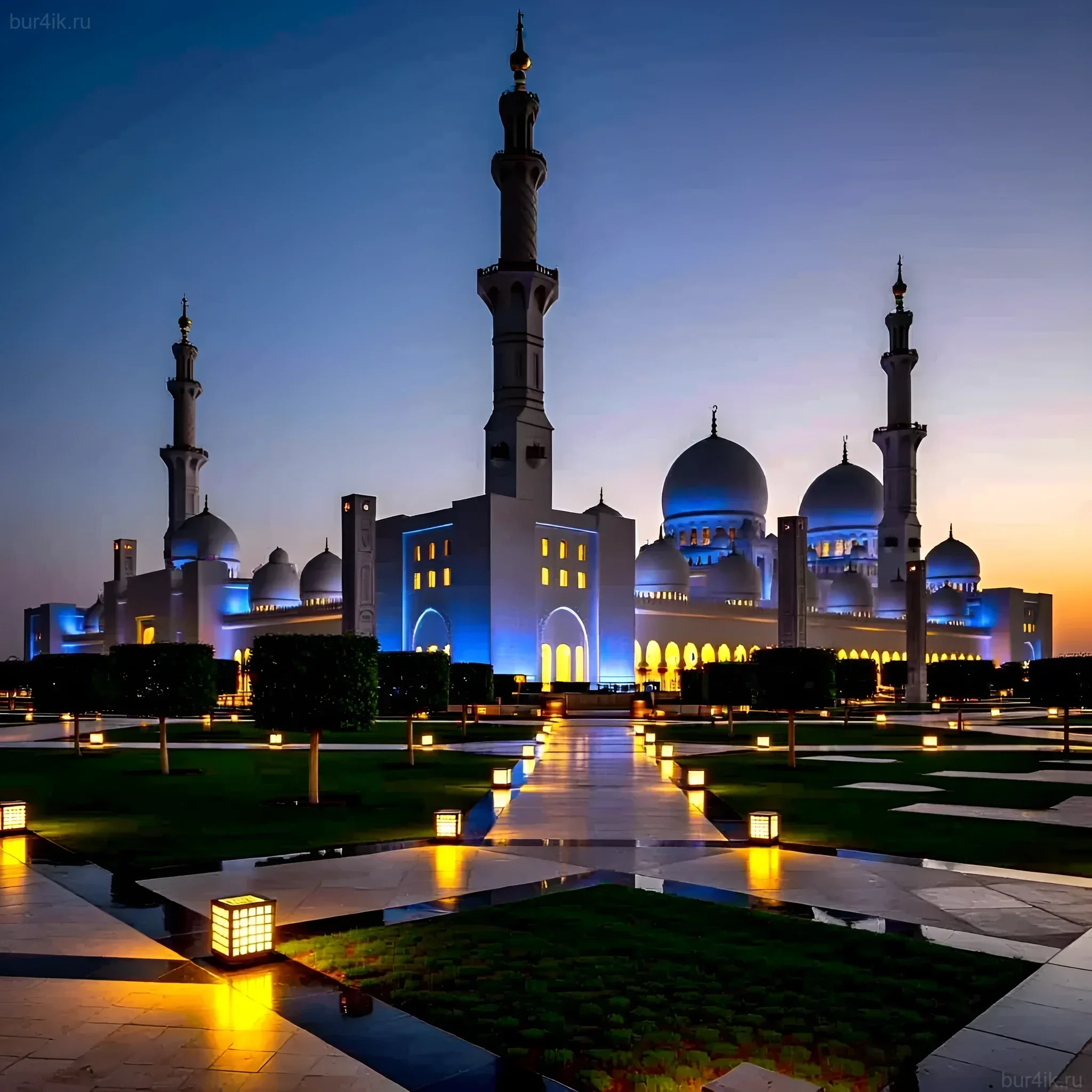
The shooting conditions in these regions are often characterized by bright, harsh sun, dust, and the need to be discreet.
Equipment for Discreet Photography
- Camera: Mirrorless cameras or compact full-frame cameras are preferred. They are smaller, lighter, and, most importantly, quieter than traditional DSLRs.
- Lenses: Telephoto lenses (70-200mm) allow you to shoot portraits and scenes from a safe and respectful distance without intruding on personal space. Wide-angle lenses (24-35mm) are good for architecture.
- Accessories: Be sure to use polarizing filters (CPL) to combat glare from the sun and enhance sky colors.
Camera Settings: Dealing with Bright Light
Desert or southern climates mean extremely high contrast and the risk of “blown-out” highlights.
| Condition | Setting Tip | Why? |
|---|---|---|
| Daylight (11:00-15:00) | Use exposure compensation of –0.3 or –0.7 EV. | Preserve detail in highlights (white clothes, light walls). |
| Market shooting (under awnings) | Set White Balance (WB) manually (Kelvin 4500–5500K) or use the “Shade” mode. | Prevent blue or green cast from shadows and artificial light. |
| Dust and sand | Change lenses only indoors. Use a blower brush for cleaning. | Protect the sensor from micro-particles that can ruin shots. |
Best Locations for Photography in Muslim Countries: Inspiration and Ideas
Focus on places where cultural interaction is natural and people expect tourists and cameras.
- Souqs and Bazaars: Ideal for shooting genre scenes, details, spices, and crafts. Here, people are busy trading and pay less attention to the photographer.
- Architecture: Palaces, fortresses, madrasas (Islamic schools), and, of course, mosques (during hours when prayer is not taking place). The geometry of Islamic art and calligraphy is an inexhaustible source of inspiration.
- Desert Landscapes: Sahara, Arabian Desert. Shoot caravans, dunes, oases. These places are free from restrictions related to portraits.
- Tea and Coffee Houses: In Turkey, Morocco, or Iran, these are centers of social life. People here are often more relaxed and open to interaction.
Important: Always pay attention to details: carpet textures, door ornaments, colored glass, and lanterns. These elements can tell more about the culture than a hasty portrait.
FAQ: Answers to Frequently Asked Questions About Photography in Muslim Countries
1. What should I do if someone is categorically against being photographed?
Answer: Immediately delete the shot in their presence. This is the best way to show respect and avoid conflict. Smile, apologize (even if you don’t know the language), and step away. Remember: a shot is not worth violating peace and respect.
2. Is it permissible to photograph if I see someone praying?
Answer: This is strictly forbidden and considered a great disrespect. Prayer is an intimate conversation with God. If you want to photograph a mosque, wait for the prayer to end and ensure that no praying people are in the frame.
3. What should I do if I am stopped by the police or a security guard?
Answer: Remain calm, polite, and cooperative. Put your camera away immediately. Show your documents and, if requested, delete the photos that caused suspicion. Do not argue. An apology and compliance are the best ways to resolve the issue.
4. Is it worth carrying printed photos for exchange?
Answer: Yes, this is an excellent practice. If you take a portrait, offer to send it via email (if possible) or, even better, give a printed copy as a gift. This instantly breaks down barriers and leaves a positive impression.
Interesting Facts About Photography and the Culture of Muslim Countries
Understanding the cultural context helps the photographer act more subtly and thoughtfully.
- Islamic Art and Iconography: Islam traditionally avoids depicting people and animals in religious art, focusing on geometric patterns, arabesques, and calligraphy. This explains why architecture is often the most “free” and rich subject for photography.
- Importance of Hospitality: In many Arab cultures, hospitality is a sacred duty. If you are invited into a home or offered tea, it is a great sign of trust. In such a situation, your chances of getting permission to photograph significantly increase.
- The Role of the Golden Hour: Due to the harsh daylight, the best hours for shooting are the “golden hour” (just after sunrise and before sunset). This time also often coincides with the beginning or end of the workday, when the streets are full of life, but the light is softer.
- Color in Culture: Bright colors, such as blue (symbolizing protection and the heavens) and green (the color of Islam), have deep meanings. Using these colors in composition can add cultural depth to a shot.
Photography in Muslim countries is a unique challenge that requires patience, ethics, and technical preparation. By following these rules, a photographer will not only return home with stunning shots but also gain invaluable experience in respectful interaction with one of the world’s richest cultures.