Photography is not just an art of capturing a moment; it is a powerful psychological tool that, when used correctly, can become an integral part of caring for one’s mental well-being. The portal bur4ik.ru, which deeply explores the impact of technology and creativity on humans, presents a comprehensive guide on how the camera lens can become a window to a healthier and more mindful state of mind.
How Photography Helps Cope with Stress and Anxiety: Scientific Evidence
In today’s world, where stress levels are constantly rising, finding effective and accessible relaxation methods is paramount. Photography, as it turns out, is one such scientifically proven tool.
Reducing Cortisol Levels
Numerous studies confirm a direct correlation between engaging in creative activities, including photography, and a reduction in the stress hormone cortisol. The process of choosing a composition, adjusting exposure, and waiting for the perfect shot distracts the brain from cyclical anxious thoughts.
- Mechanism of Action: Focusing attention on a visual task shifts the nervous system from a “fight or flight” mode to a creative mode.
- Research Findings: Studies conducted at universities have shown that a 45-minute photography session can reduce cortisol levels in subjects experiencing stress by 30-40%.
The Phenomenon of “Flow”
Photography perfectly fits the concept of psychological “flow” (flow state), described by M. Csikszentmihalyi. This is a state of complete absorption in an activity, where time distorts, and internal criticism is silenced.
- To achieve flow, the task must be challenging yet achievable.
- Photography offers an endless number of such tasks: from mastering a new lens to finding the perfect light.
Relieving Anxiety in the Moment
During episodes of anxiety or panic attacks, focusing on sensory details helps to “ground” oneself. Photography forces you to slow down and observe the world in detail.
- Practical Tip: At the first signs of anxiety, try photographing three objects with the most complex texture, focusing only on shape and light. This interrupts the panic cycle.
Scientific literature increasingly recognizes photography as a valid adjunctive (supportive) therapy for managing chronic anxiety.
Photography as a Tool for Self-Expression and Boosting Self-Esteem: Unleash Your Inner World
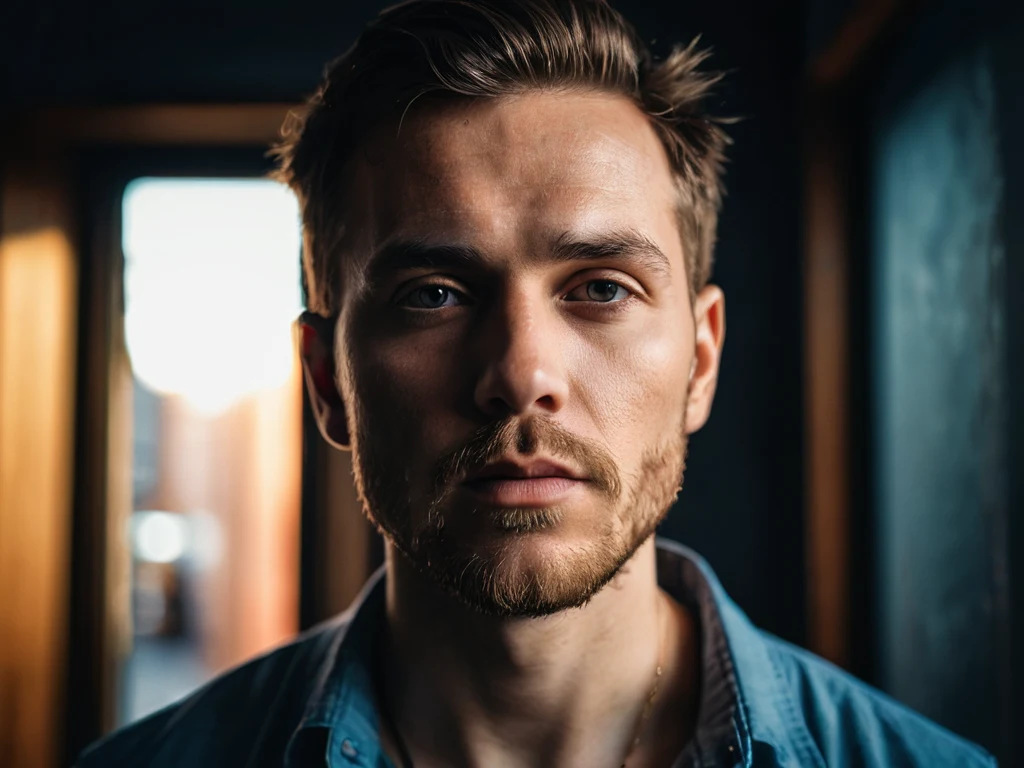
Our inner world is often filled with emotions that are difficult to put into verbal form. Photography provides a non-verbal language for expressing the deepest experiences, which is critically important for mental health.
Verbalizing the Unspeakable
Images possess a universal power. What cannot be spoken aloud due to fear of judgment or personal misunderstanding can be captured in a photograph.
- Releasing Emotional Tension: By creating a shot that reflects anger, sadness, or delight, a person sublimates the energy of the emotion into a creative act.
- Self-Portraits: Creating a series of self-portraits reflecting different moods helps to objectify one’s inner state and begin to understand it.
Forming Identity and Self-Perception
The photography we create is often a reflection of who we see ourselves as or who we aspire to become. It is a powerful tool for shaping a healthy identity.
- Curating Life: By choosing what to show the world, a person takes control of their narrative.
- Finding Personal Style: Developing a unique photographic style strengthens the sense of uniqueness and separation from mass standards.
The Impact of Feedback on Self-Esteem
While dependence on “likes” is dangerous, constructive positive feedback on work that has personal meaning can significantly boost self-esteem.
- Key Point: What matters is not the mass approval, but the depth of a specific viewer’s reaction to your personal statement through the image.
Tips for Finding Your Style:
- Experiment with genres: landscape, macro, street photography.
- Limit yourself in color (e.g., work only in monochrome) to focus on form.
- Study the works of masters who inspire you, but strive to find your own voice.
Phototherapy: How Professional Photography Techniques Are Used to Treat Mental Disorders
Phototherapy is a recognized modality in expressive art therapy. It uses the processes of creating, viewing, and discussing images to improve emotional well-being and personal growth.
Fundamentals of Phototherapy
Phototherapy uses the camera as a mediator between the client and their experiences. This allows for working with painful themes at a safe distance.
- Distancing: The object in the photo is not me, but an image, which reduces the immediate level of vulnerability.
- Symbolism: Photographs often serve as visual metaphors for internal conflicts.
Key Phototherapy Techniques
The effectiveness of the method depends on choosing the right technique based on the goal of the work.
- Collage Work: Used to integrate fragmented parts of the personality or to visualize complex relationships.
- Photo-Journals: Ideal for tracking mood changes and capturing moments of mindfulness.
- “Interviewing” the Photo: The client photographs an object that they believe symbolizes their problem, and then the therapist helps to “discuss” this photo, revealing hidden meanings.
- Creating the Desired Future: Photographing or collaging the lifestyle the client wants to create.
Application in Various Disorders
Phototherapy has demonstrated its benefits in working with a wide range of conditions:
- PTSD (Post-Traumatic Stress Disorder): Helps to safely process traumatic memories through images.
- Eating Disorders (EDs): Working with self-portraits helps to change negative body image.
- Depression: Focuses on finding and capturing positive, bright moments of the day.
Finding a Qualified Specialist
It is important to understand that a hobby in photography differs from professional phototherapy. To use this method for therapeutic purposes, a specialist with appropriate qualifications in psychotherapy and art therapy is necessary.
Photography and Mindfulness: How to Slow Down and Learn to See Beauty in Small Things
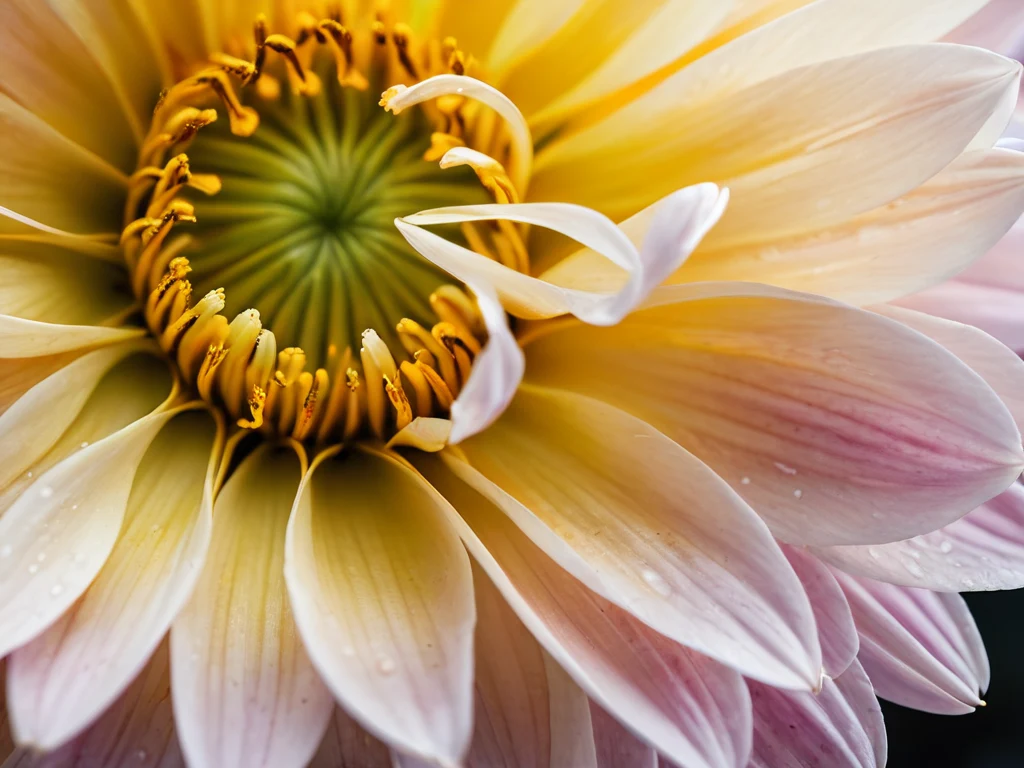
Mindfulness is the practice of being fully present in the moment without judgment. Photography is an ideal catalyst for developing this ability.
Photography as Meditation
To take a good shot, you need to completely detach from internal dialogues and external distractions, focusing on three elements: light, form, and moment.
- Focusing on the Sensory: The camera demands attention to what you see, hear, and feel right now. This is the direct opposite of the mind-wandering characteristic of anxiety.
- Attention Management: Adjusting aperture, shutter speed, and ISO trains the ability to concentrate and sustain attention.
Exercises for Developing Mindfulness Through Photography
Mindfulness specialists often recommend specific photographic practices:
- “One Subject Challenge”: Choose one ordinary object (e.g., a mug, a tree leaf) and photograph it for an hour from different perspectives. The goal is to see it as if for the first time.
- Texture Hunt: Dedicate a session to finding only textures: smooth, rough, wet, dry. This trains tactile perception through visual means.
- Slow Shutter Speed Photography: Using a long exposure to capture motion (water, clouds) helps understand how time flows and teaches to appreciate slow processes.
Appreciating Simplicity
Most great photographs do not require expensive locations or complex equipment. They require the ability to see drama in the ordinary.
- Regular practice of finding “beauty in small things” transfers from the camera’s focus to everyday life, reducing dependence on external stimuli for pleasure.
Create Your Photo Diary for Improved Mental Health: A Step-by-Step Guide
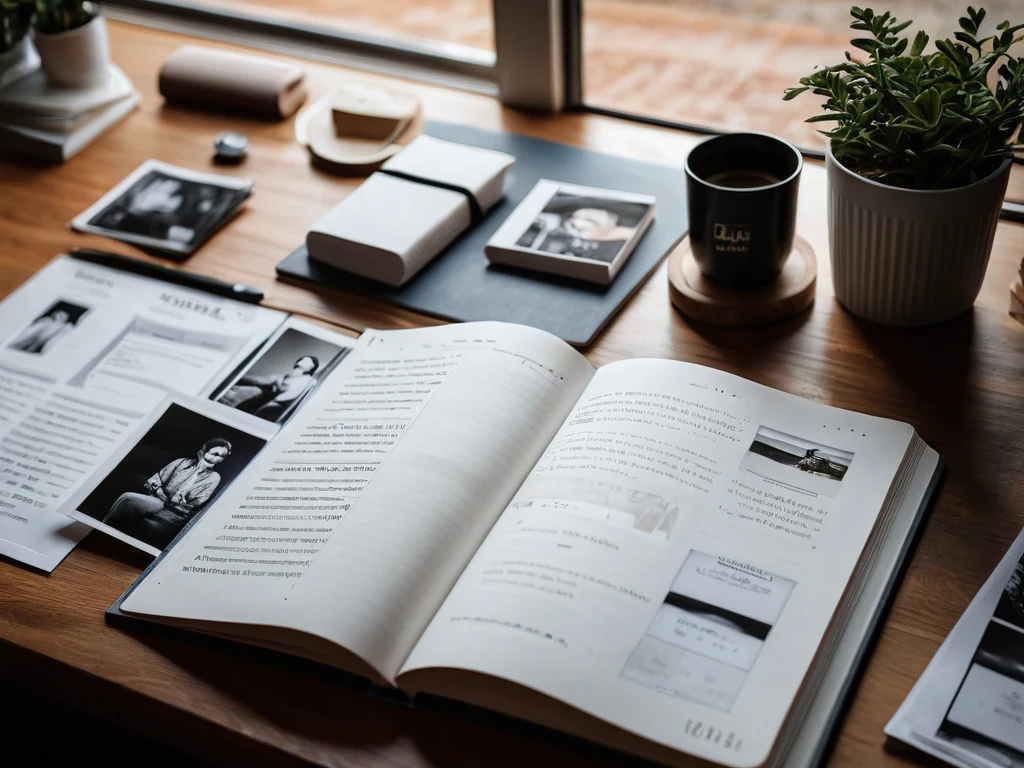
A photo diary is more than just a collection of shots in your phone’s gallery. It is a structured visual journal of your emotional landscape.
Benefits of Keeping a Visual Journal
Visually documenting events aids in reflection and progress tracking, which is especially important when dealing with depressive states.
- Objective Memory: Photography does not distort memories as the brain does; it captures facts.
- Tracking Patterns: By reviewing months of photos, you can notice on which days your mood was better or worse, and what external factors influenced it.
Choosing a Theme and Format
Start small. Don’t aim to create masterpieces.
- Format: Use specialized apps with note-taking features (e.g., Day One with photo integration) or a simple album in cloud storage.
- Brevity: Ideally, one shot per day with one or two lines of caption.
Photo Diary Theme Examples
Choose a theme that aligns with your current mental health goals:
- Gratitude Diary: Document three things you are grateful for today (be sure to photograph them).
- Progress Diary: If you are working on a personal goal (e.g., renovation, rehabilitation), photograph small achievements.
- Emotion Diary: Photograph places or objects that correspond to your current feeling (e.g., gray sky for sadness, a bright flower for hope).
- “What I Noticed Today”: Focus on details you would have missed in a hurry.
Technical Aspects
For a photo diary, the best camera is the one that’s always with you – your smartphone. However, organization is key.
- Create a separate folder/album called “Diary [Дата]”.
- Regularly (once a month) review your photos for reflection.
Warnings and When Photography Can Be Harmful: How to Avoid Negative Impacts
Like any powerful tool, photography can carry risks if the creative process is mixed with excessive self-criticism or dependence on external approval.
The Perfectionism Trap
The pursuit of the perfect shot often leads to procrastination or, conversely, an unhealthy cycle of endless editing, which amplifies self-criticism.
- Getting Stuck: If you’ve spent three hours trying to remove one unwanted artifact from the background instead of enjoying the process, it’s a sign of perfectionism.
- Solution: Set a time limit for editing. Remember that imperfection often lends humanity to a shot.
Comparison and Social Media
Social media, being a showcase of others’ successes, can become a powerful source of anxiety when one starts comparing their process (their chaos) with someone else’s final product (the perfect picture).
- The Illusion of an “Ideal Life”: Remember that you only see 1% of another photographer’s life.
- Healthy Content Consumption: Unfollow accounts that make you feel inadequate. Follow those that inspire learning, not envy.
Dependence on Validation (Likes)
When self-esteem begins to depend on the number of hearts under a photo, photography transforms from a tool of self-expression into a tool of self-affirmation based on the opinions of others.
- Sign of Dependence: If you don’t post a shot because you’re afraid it won’t get enough attention.
- Balance: For every photo you publish, create two that remain only for your personal diary.
When Photography Becomes Destructive
You should seek professional help if:
- Photography has become your sole source of joy or a way to avoid other responsibilities.
- You constantly neglect personal relationships for the sake of shooting.
- The process of shooting or reviewing photos regularly causes severe dysphoria or anger.
Photography is a gift we can give to our mental health. Use your camera not only to remember the world but also to heal it.