In the world of photography, where new camera and lens models appear with alarming regularity, the temptation to constantly upgrade your arsenal is very strong. However, for many photographers, both beginners and professionals, budget remains a critical factor. The portal bur4ik.ru has prepared a comprehensive guide that will help you significantly reduce the cost of purchasing photographic equipment without sacrificing the quality of your shots. Saving money in photography is not about giving up on good things, but about making smart choices and understanding the real value of each component.
How to Stop Overpaying: 5 Main Mistakes When Buying Photo Equipment
Overpaying for photo equipment often happens not because of the high price of the equipment itself, but due to psychological traps and marketing tricks. Understanding these mistakes is the first step to saving your budget.
Here are five key mistakes photographers make that lead to unjustified spending:
- Chasing the Latest Model (Fear Of Missing Out, FOMO). The desire to own the newest device, even if the previous generation fully meets your needs. Marketing convinces you that without the new model, the quality of your work will drop, which is rarely true.
- Buying Lenses “for Growth”. Purchasing specialized or expensive prime lenses that you will only use once a year. Focus on versatile and high-quality lenses that cover 80% of your tasks.
- Over-reliance on Megapixels. For most tasks, including printing up to A3 size and shooting for the internet, 24–30 MP is more than enough. Buying a camera with 60+ MP leads to increased costs, the need for a more powerful computer, and more expensive, fast lenses (due to their better sharpness).
- Ignoring Third-Party Manufacturers. Automatically sticking to one brand’s ecosystem, refusing high-quality and more affordable alternatives for flashes, triggers, or even lenses.
- Buying Bundles (Kits) with Unnecessary Accessories. Stores often offer kits like “camera + bag + memory card + tripod.” As a rule, the bundled accessories are of low quality, and their price is artificially inflated. It’s more cost-effective to buy components separately.
Used Equipment: Finding Diamonds, Avoiding Traps
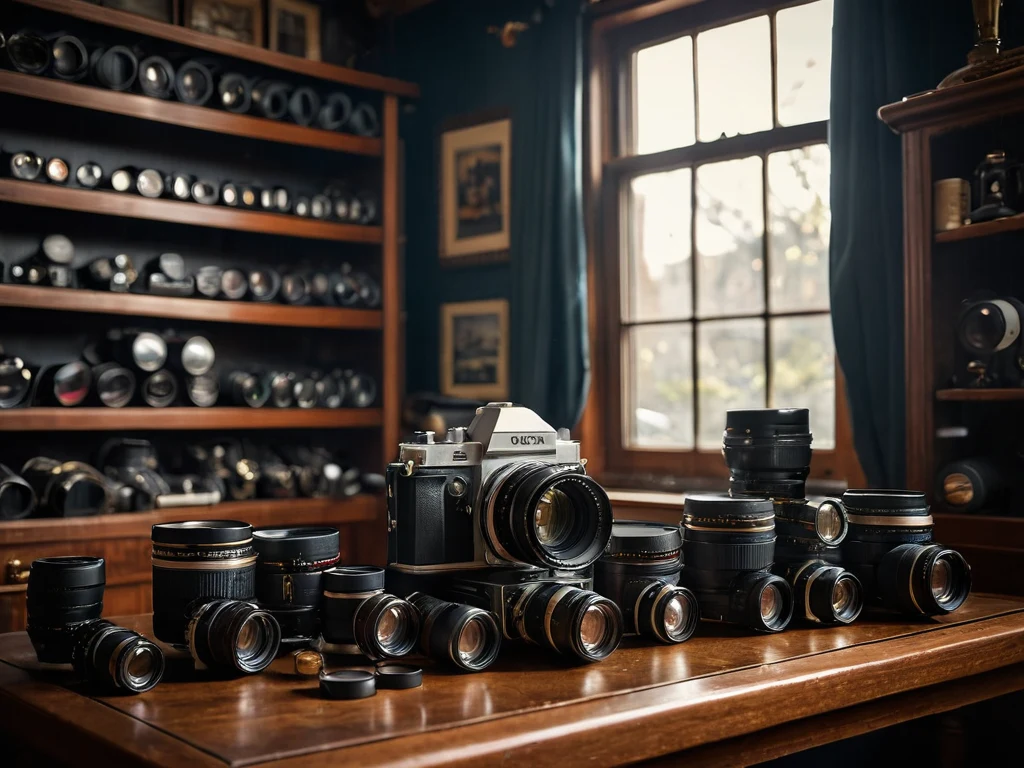
The used equipment market is huge and offers fantastic opportunities for savings. Modern photographic equipment is very reliable, and a professional camera that has been used for two to three years often has a huge lifespan ahead of it.
Where to Find Reliable Offers?
- Specialized Forums and Social Media Groups. Photographers generally take good care of their equipment. Look for platforms with good moderation and a review system.
- Classified Aggregators (Avito, Youla). These require maximum caution but allow you to find direct sellers, not resellers.
- Rental Companies with Buyout Options. Some companies sell equipment that has been rented out. It may have higher usage, but it is often serviced and sold at a fixed, sometimes advantageous price.
Checklist: What to Look for When Inspecting Used Equipment
Never buy equipment remotely unless it’s from a trusted store. The inspection should be thorough:
- Shutter Count. For DSLR and mirrorless cameras, this is a key indicator of wear. Most cameras are rated for 150,000–300,000 actuations. Check this parameter using a special service or the camera’s function.
- Condition of the Sensor. Inspect for scratches (especially critical for used lenses). Take a photo of a white wall at a closed aperture (f/16 or f/22) in good lighting to check for dust or defects.
- Functionality. Test all buttons, scroll wheels, autofocus in all modes, as well as the memory card slot and battery compartment.
- Lenses. Inspect the optical elements for fungus or chips. Check the smooth operation of the aperture and focus rings. Autofocus should be fast and accurate.
- Batteries. Find out if they are original and check how quickly they discharge.
Transaction Safety Tip: Always inspect the equipment in the seller’s presence. If the seller refuses to provide test shots or demonstrate the camera in working condition, this is a serious reason to refuse the purchase.
Equipment Rental: When Is It More Profitable Than Buying?
Rental is an ideal solution for photographers who face irregular or highly specialized tasks. Buying a 150,000 ruble lens for a single wedding project a year is financially impractical.
Scenarios Where Rental Wins:
- Testing Expensive New Gear. You can work with a new lens for a week to determine if it’s worth the investment, without spending the full price.
- One-off Studio Projects. Need powerful lighting or a macro lens for jewelry photography? Renting for a day will cost 2–5% of the purchase price.
- Backup. Having a spare camera body for rent in case your main equipment fails during an important event.
Profitability Calculation: A Simple Example
Suppose a professional fast lens costs 100,000 rubles. Its daily rental is 1,500 rubles. If you plan to use it less than 67 times over its entire lifespan (even 5 years), it will be more profitable for you to rent it than to buy it. If you use it 10 times a year, renting will save you significant money on storage, insurance, and depreciation.
Choosing a Reliable Rental Company
- Check reviews about the condition of the rental equipment.
- Clarify insurance and deposit terms.
- Make sure they have the current and modern models you need.
Alternative Brands: Decent Quality for Less Money
Many photographers are tied to the “big three” (Canon, Nikon, Sony), but the market is flooded with manufacturers offering an impressive price/quality ratio, especially in accessories and lighting equipment.
Leaders Among Alternatives:
- Godox (Lighting). This brand has almost completely displaced more expensive brands (Profoto, Elinchrom) in the studio and mobile lighting segment for independent photographers. Their flashes, monolights, and triggers work reliably and offer full compatibility with major systems.
- Yongnuo (Flashes and Lenses). For a long time, Yongnuo offered very cheap TTL flashes that became the standard for many beginners. Their modern prime lenses also compete with native counterparts in sharpness, although they may lag in AF speed.
- Viltrox (Lenses). This manufacturer actively releases fast prime lenses for mirrorless systems (e.g., 85mm f/1.8) which, in terms of optical quality, often do not yield to originals but cost two to three times less.
- Manfrotto / Benro / Sirui (Tripods and Heads). In the tripod segment, these brands offer reliability and carbon fiber solutions at prices lower than the top lines of major camera manufacturers.
Choosing Tip: When buying optics from alternative brands, be sure to look for reviews with tests on edge-to-edge sharpness and performance with backlighting. You can confidently buy electronics (flashes, triggers) from them.
DIY: Making Photo Accessories Yourself and Saving Money
Studio equipment often consists of simple reflective or diffusive surfaces. Creating basic accessories yourself can save hundreds, if not thousands, of dollars.
Simplest and Most Useful DIY Accessories:
- Reflectors. You will need thick cardboard or foam board, as well as self-adhesive film. Gold, silver, and white films are very cheap, and the result completely imitates professional foldable reflectors.
- Portable Softboxes (Beauty Dish). You can use large cardboard boxes covered with white paper or fabric and use them in conjunction with an external flash. White lightbox fabric or even tracing paper works perfectly as a diffusion material.
- Backdrops. For product photography, you can use vinyl wallpaper with interesting textures (e.g., wood or concrete effect). They are cheaper and more durable than specialized photo backdrops.
- Flags (Light Absorbers). Ordinary black cardboard or a piece of black fabric stretched over a light frame (e.g., from PVC pipes) will perfectly replace expensive professional flags for controlling reflections.
Cost Estimate: A homemade reflector will cost you 300–500 rubles and take an hour to make, while a purchased analogue can cost 3000–5000 rubles.
Secrets of Profitable Purchases: Sales, Discounts, Cashback, and Other Life Hacks
Even if you decide to buy new equipment, you can significantly reduce its final cost by planning your purchases correctly.
Discount Hunting Strategies:
- Seasonal Sales. The most profitable time to buy is Black Friday (November), Cyber Monday, and the period after the New Year holidays (January-February) when stores get rid of last year’s inventory.
- Price Monitoring. Use price aggregators and browser extensions that track the price history of a specific product. Often, perceived “discounts” are just a return to the average market price from an inflated starting price.
- Loyalty Programs and Cashback. Get bank cards with a high cashback percentage in the “Electronics” category or use cashback services when shopping at large retailers. This provides a 1–5% return on the cost.
- Subscribe to Newsletters. Many specialized photo stores send exclusive promo codes to subscribers, which may be valid for only 24 hours.
- Buying “Display” Models. Sometimes stores sell equipment that has been on display at a 10–20% discount. Be sure to check the shutter count and ensure all accessories are included.
- Bulk Purchases with Colleagues. If several photographers plan to buy, for example, Godox triggers or batteries, combine orders to reach the wholesale discount threshold or free shipping.
Saving money on photo equipment is a skill that develops over time. The main principle promoted by bur4ik.ru is: Buy what you need now, not what you might need someday. A smart approach to the used market, active use of rentals, and attention to detail when making purchases will allow you to assemble a professional arsenal without breaking your budget.