In the world of commercial photography, where every shot is dictated by client demands, there exists a hidden yet vital component of success – personal projects. For a photographer (and any creative professional), regularly immersing oneself in unpaid work is not just a hobby, but a critically important tool for maintaining professional form and creative health. The portal bur4ik.ru presents a comprehensive guide on how personal projects become the primary way to stay in shape, develop a unique authorial style, and prevent inevitable professional burnout.
Why Personal Projects are the Secret to a Photographer’s Productivity and Development (and not just theirs!)
Assignments are the bread, but personal projects are the vitamins and minerals without which the body (in this case, the creative personality) begins to suffer. When we work for a client, we are often forced to follow set frameworks, color schemes, and compositional solutions. This limits the freedom to experiment.
Personal projects, on the other hand, offer the ideal environment for:
- Stress Relief: The absence of deadline pressure and client expectations allows you to relax and truly enjoy the process.
- Style Formation: Only in personal work can a photographer truly explore what resonates with them, honing a unique visual language.
- Preventing Burnout: The monotony of routine shoots quickly depletes energy. A personal project is a brain “reboot,” an opportunity to see the world from a new angle.
- Professional Growth: It’s the perfect platform for testing new equipment or mastering complex techniques without risking commercial results.
In this article, bur4ik.ru will delve into how to launch your own project, how to stick with it, and how to ultimately use it for a career leap.
How Personal Projects Enhance Your Photography Skills (and Beyond!)
Personal projects are concentrated training. They force you to go beyond the usual and master those aspects of photography that often remain untouched in commercial work.
Technical Skills
A project often imposes technical limitations that serve as a stimulus for learning:
- Mastering New Equipment: You bought expensive manual optics or a flash you’re afraid to use on a client? A personal project is the perfect testing ground.
- Working in Difficult Conditions: Shooting in very low light (night cityscapes, interiors without light) or, conversely, in extremely bright sun.
- Post-processing: You can spend a week perfecting a single shot, experimenting with color, tone, and retouching, which is impossible under the tight deadlines of a commercial assignment.
Creative Skills
This is the heart of any personal project – developing artistic vision:
- Compositional Challenges: Projects focused on minimalism or, conversely, on dense framing, force a rethinking of basic rules.
- Light and Color: Exploring a single color palette for a month or working only with natural side light.
- Storytelling: A personal project almost always requires building a narrative. You learn not just to take beautiful pictures, but to tell a complete story.
Organizational and “Soft Skills”
Photography is 50% process management:
- Self-Discipline: The success of a project directly depends on your ability to allocate time and follow a plan, which directly translates to time management for commercial tasks.
- Vision and Concept: A project requires a clear understanding of “why” and “what I want to say.” This develops the ability to form strong concepts.
- Resource Management: A limited budget or time for a project teaches efficiency in using available resources.
For example, a project like “100 Portraits of People in One Profession” will force you to master the skills of quickly establishing rapport and finding the right light in the most unexpected places.
Idea Generator: 10+ Personal Photo Projects You Can Start Right Now
The main obstacle for many is not the inability to shoot, but the inability to come up with ideas. bur4ik.ru offers proven formats adaptable to any genre and skill level.
Projects for Regularity and Endurance
- 365/52/30: One shot per day (365), one week (52), or one month (30). The theme can be anything: “My Breakfast,” “Geometry Only,” “Black and White Morning.”
- One Lens, One Month: Forcing a focal length limitation (e.g., only 50mm) sharpens compositional thinking.
- Color of the Month: Each month, focus on a dominant color in your shots (January – blue, February – yellow, etc.).
Projects Focused on Location or Subject
- Photos of Your Hometown: Exploring the city through your lens, focusing on details, architecture, or people you hadn’t noticed before.
- “Abandoned Places” (Urbex): Requires research, planning for permits, and caution, developing skills for shooting in challenging lighting conditions.
- Portraits of Strangers: Going out and asking people on the street to be photographed. Ideal for practicing communication skills and quick lighting setups.
Creative and Conceptual Projects
- Minimalism in the Frame: The task is to find maximum space and minimum objects in each scene.
- Thematic Experiment: For example, “Exploring Reflections” or “Photographing Only Shadows.”
- “Before and After” Comparison: Photographing the same place or person at an interval of a year to show changes.
- Collaboration: A project where you photograph one person over a long period, documenting their life (e.g., a child’s growth, a friend’s career).
Key Tip: Choose a project that slightly scares you but genuinely interests you. This balance between fear and passion guarantees long-term motivation.
Planning and Execution: How Not to Abandon a Project Halfway
The most common scenario: a hot start and a quick loss of interest. The success of a personal project depends on proper organization that mimics work processes but leaves room for creativity.
Planning Stages
Break down an ambitious goal into manageable steps:
- Phase 1: Conceptualization (1 week): Clearly define the theme, target number of shots, and desired final format (book, exhibition series, website).
- Phase 2: Logistics (1–2 weeks): Compile a list of locations, check equipment, find models or permits.
- Phase 3: Shooting (main period): Develop a weekly or monthly schedule. For example, if you need 50 shots in 50 days, plan 1-2 shooting days per week, leaving other days for processing.
- Phase 4: Post-processing and Curation: The most underestimated part. Allocate time not just for processing, but for *selecting* the best shots and organizing them.
Maintaining Motivation
Motivation is not a gift, but a skill that needs to be trained:
- Find an Accountability Partner: Agree with another photographer who is also working on a personal project to exchange weekly reports.
- Use Strict Deadlines: If the project lacks an external deadline, create one. For example, “By July 1st, I will send the 10 best shots to the local photo club.”
- Publish Intermediate Results: Regular posting (even in a private account or a friendly chat) gives a sense of progress and feedback.
- Reward Yourself: Completing a major stage (e.g., shooting 50% of the material) should be accompanied by a reward that you enjoy.
Organizational Tools
Use proven systems to manage the process:
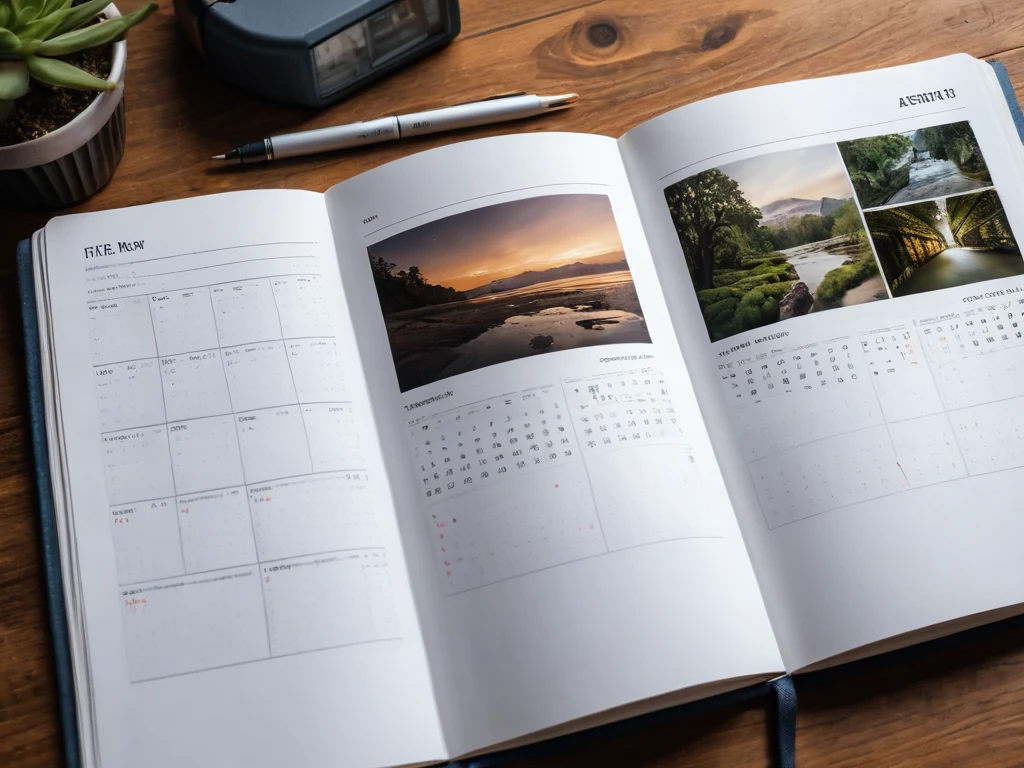
- Google Calendar/Notion: For scheduling shooting sessions and deadlines.
- Trello/Asana: Create a project board with columns: “Ideas,” “To Shoot,” “Shot,” “Processed,” “Final Selection.”
- Specialized Apps: For 365-type photo projects, there are often trackers that visually show your progress.
Remember: there is no room for perfectionism that hinders progress in a personal project. It’s better to complete 70% of a project with minor flaws than 0% waiting for the perfect moment.
Personal Projects as a Portfolio: How to Monetize Your Passion
Many photographers mistakenly believe that only commercial shoots (weddings, corporate events) can serve as a portfolio. In reality, it is personal projects that demonstrate your true value as an artist.
Demonstrating Unique Style
Clients are not just looking for a technically proficient executor, but for someone with vision. A personal project is the most honest sample of your style.
- Attracting “Your” Client: If you’ve worked on a project about minimalist interiors, real estate clients who need exactly that style will find you themselves.
- Selling Expertise: By proving through a personal project that you can work deeply with a specific type of light or subject, you can increase your rates for corresponding commercial assignments.
Monetization Opportunities
A personal project, even if conceived as purely creative, often opens up non-obvious income streams:
- Selling Prints and Limited Editions: Many successful photographers monetize their series through direct sales on their website or through galleries.
- Publications in Media and Magazines: Publications often seek complete, strong series for special issues or thematic sections.
- Exhibitions: Local or international exhibitions not only enhance your status but also attract the attention of collectors.
- Creating Educational Products: If your project required mastering a complex technique (e.g., studio lighting with a single source), you can sell a masterclass or guide on that topic.
- Image Licensing: Successful series can be sold to stock agencies or databases for commercial use.
Consider the history of photography: many iconic movements and styles were born precisely from the stubborn adherence to personal vision, not from fulfilling paid assignments.
Inspiration and Resources: Where to Find Ideas and Support for Your Projects
Staying inspired is a constant task. The right sources of information can become fuel for your creativity.
Sources of Visual Inspiration
Don’t copy, but analyze how others solve similar problems:
- 500px and Flickr: Search by tags related to your idea, but pay attention to series, not individual shots.
- Instagram (Professional Accounts): Follow photographers whose vision you admire, but try to avoid those who simply repeat trends.
- Books and Photo Albums: Classics of the genre (e.g., Robert Frank, Henri Cartier-Bresson) offer fundamental examples of series construction.
- Contemporary Photo Publishers: Websites like Aperture Foundation or LensCulture regularly publish reviews of strong current projects.
Communities and Mentorship
Creativity shouldn’t be a solitary endeavor:
- Local Photo Clubs and Workshops: Participating in joint critique sessions allows you to see the blind spots of your project.
- Online Forums and Telegram Chats: Find communities where sharing drafts and receiving constructive criticism is encouraged.
- Mentorship: If possible, find an experienced mentor who can guide you in concept selection and processing.
Remember: A personal project is your laboratory. Here, mistakes don’t cost money, and experience is priceless.
Conclusion: Start Today
Maintaining creative momentum in the face of fierce commercial competition requires discipline and continuous development. Personal projects serve as the ideal bridge between routine and breakthrough. They hone technique, shape a recognizable style, and act as a powerful tool for attracting new, more interesting clients.
Don’t wait for the perfect moment, the perfect equipment, or the perfect idea. Choose one of the concepts presented here, set your personal deadline for the next three months, grab your camera, and start documenting the world through the lens of your own, unimposed vision. Your next big career step might be born from the most humble personal endeavor.